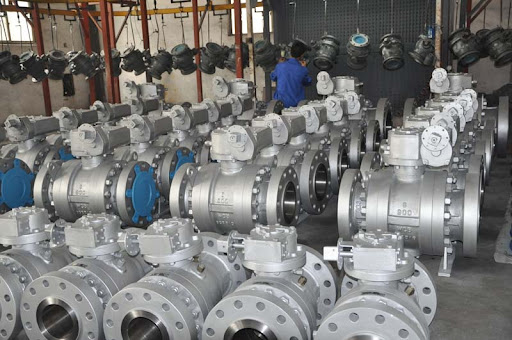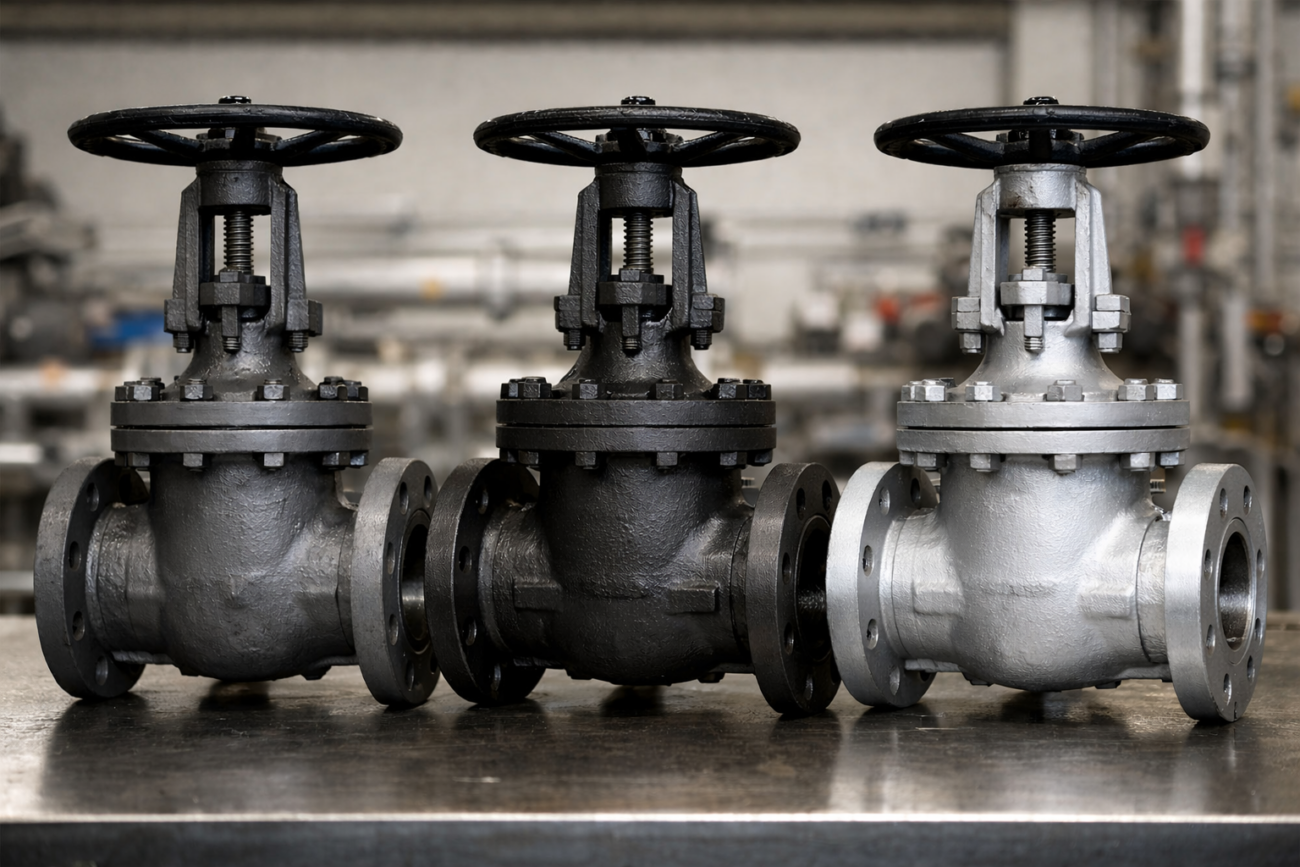
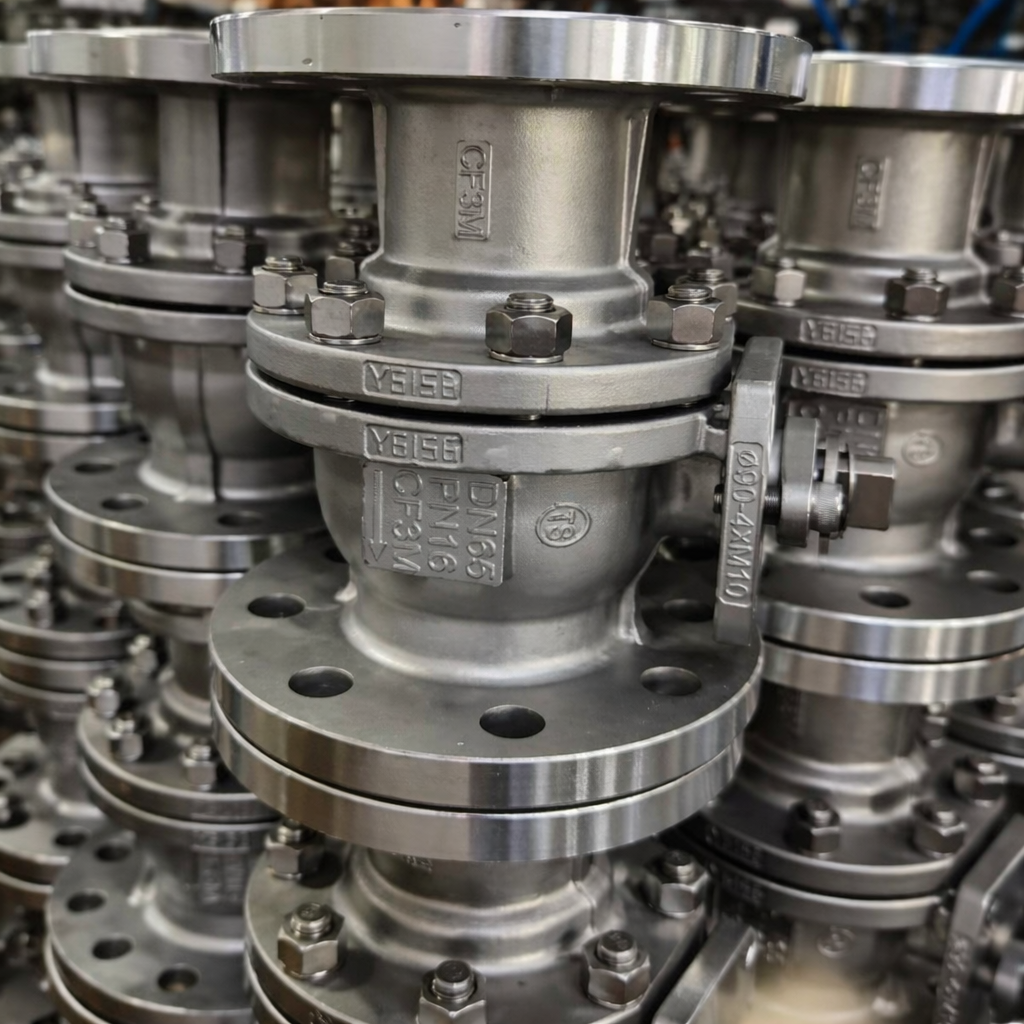
Stainless steel valves are the core parts of industrial piping systems that are vulnerable to corrosion but need to maintain mechanical stability and be operationally reliable for a long time. UAE industrial facilities face such severe conditions as high temperatures, pressure changes, and even corrosive process media at times. Before deciding on stainless steel valves, one should first deeply understand their functionalities and limitations to ensure the safe and efficient running of the plant.
As a leading manufacturer in UAE, UAE Valves plays a key role in the Oil & Gas, Power, Water, and Industrial Infrastructure projects, where the correct valve material choice is the factor that determines system safety, maintenance intervals, and total lifecycle cost.
Why are stainless steel valves widely used in the industry?
Stainless steel is a good choice of metal for industrial valve manufacturing due to its well- balanced metallurgical properties and field performance tested. It is a combination of metal and corrosion resistance which is ideal for a wide range of operating conditions without requiring materials with higher alloys and premium cost.
Key Technical Reasons
- Has a high resistance to general corrosion and oxidation
- Stable mechanical properties under moderate pressure and temperature
- Good resistance to scaling and fouling
- Smooth internal surfaces that support consistent flow characteristics
- Compatible with numerous valve designs and pressure classes
With these features, stainless steel valves can be considered as a feasible solution in many industrial piping systems, provided that service conditions are well determined.
Industrial Applications Suitable for Stainless Steel Valves
- Oil & Gas Processing and Refinery Systems
Stainless steel valves are generally found in the use of non-sour hydrocarbon services in the upstream and downstream units where corrosive elements are limited
Typical applications consist of:
- Process isolation lines
- Gas handling systems with controlled H₂S content
- Auxiliary and utility piping within refinery units
In case the chlorine levels are controlled and the gas is not sour, stainless steel valves operate effectively with less frequent maintenance requirements.
- Water, Utility, and Cooling Systems
Stainless steel valves are widely installed in industrial water systems as they resist rust and remain dimensionally stable over the long-term.
Common uses include:
- Cooling water circuits
- Utility and service water networks
- Treated water and process water lines
In UAE industrial facilities where the water is of good quality due to monitoring and regulation, stainless steel valves provide a long service life and low operational risk.
- Chemical and Process Applications (Moderate Severity)
In chemical processing systems dealing with mildly corrosive fluids, stainless steel valves are often chosen for:
- Chemical transfer lines
- Dosing and injection systems
- Process isolation and control duties
Material compatibility must always be verified against chemical concentration, operating temperature, and exposure duration.
- Clean and Controlled Process Services
Stainless steel valves are the ones which are good enough in situations that not only require cleanliness but also demand that the internal surfaces should not be contaminated. Their surface finish and corrosion resistance help them to support consistent operation in controlled process environments.
Operating Conditions Where Stainless Steel Valves Perform Best
Stainless steel valves are most effective when used in:
- Moderate temperature ranges
- Moderate pressure classes
- Low-chloride or non-marine environments
- Non-sour service conditions
- Indoor or sheltered installations
Under such circumstances, stainless steel is a strong compromise between performance, availability and cost.
Limitations of Stainless Steel Valves in Industrial Service
Stainless steel valves are highly versatile, however, they are not compatible with all types of operating environments.
- High Chloride and Marine Exposure
Stainless steel valves can become susceptible to the following types of corrosion when operating in the surfaces of the seawater, brine, or areas with high chloride concentrations:
- Pitting corrosion
- Crevice corrosion
For such services, duplex or super duplex materials are typically preferred.
- Sour Gas and H₂S Conditions
In sour service situations, stainless steel may lack the required hardness and resistance to cracking. Adherence to NACE MR0175 / ISO 15156 is obliging, and consequently, higher alloy materials are mostly selected to avoid sulfide stress cracking.
- High-Temperature and High-Pressure Cyclic Service
At high temperatures or in situations with frequent pressure cycling, stainless steel might lose its mechanical strength and be prone to deformation. In general, alloy steels or nickel based materials are chosen for such harsh service conditions.
Common Stainless Steel Valve Types Used in Industrial Piping
Stainless steel is a material of choice for a great number of valve designs such as:
- Gate valves for isolation service
- Globe valves for throttling and flow regulation
- Ball valves for tight shut-off
- Check valves for backflow prevention
Valve selection is based on process requirements, pressure rating, and operational duty.
Selection Guidelines for Stainless Steel Valves
While defining the specifications of stainless steel valves engineers must consider the following factors:
- Process fluid composition and corrosiveness
- Operating temperature and pressure limits
- Presence of chlorides or sour gas
- Installation environment (indoor, outdoor, marine)
- Maintenance access and inspection intervals
- Required service life and system criticality
Proper selection at the design stage is a way of avoiding unplanned downtimes and premature valve failures.
Cost and Lifecycle Considerations
Stainless steel valves generally offer:
- Lower initial cost compared to duplex and alloy valves
- Good availability and shorter delivery timelines
- Acceptable lifecycle cost when used within design limits
However, the misuse of stainless steel in extreme conditions may cause the maintenance, repair, and replacement costs to rise significantly and gradually over time.
Stainless steel valves may become a dependable choice for industrial piping systems when the pressure, temperature, and corrosion levels are kept under control at a moderate level. They are a dependable source of performance in hydrocarbon processing, water systems, and controlled industrial applications that are commonly present in UAE infrastructure projects. It is necessary to make a proper assessment of the service conditions to guarantee the suitability of the material and the integrity of the system in the long run.
As a leading manufacturer in UAE, UAE Valves offers engineered stainless steel valve solutions that are tailored to meet regional operating conditions and thus, promote extended service life, fewer maintenance episodes, and performance stability across industrial piping systems.