Oil and gas process facilities run in some of the toughest industrial settings such as high-pressure systems, variable temperatures, corrosive hydrocarbons, abrasive flow media, and tight regulatory expectations. To enable regulated flow, safe isolation, and consistent mechanical performance, valves in these plants must be carefully selected. Engineering teams often refer to companies such as UAE Valves for their wide technical expertise and adherence to global standards when selecting the correct valve for each stage of processing. Focusing on valve types, actuation choices, standards, HPHT circumstances, and technical information relevant for current oil and gas networks, this handbook offers a complete overview of how valves are picked for upstream, midstream, and downstream facilities.
Core Considerations for Selecting Valves in Oil & Gas Operation.
In oil and gas facilities when flow, pressure, and temperature must always be under control, valve selection is a quite crucial design decision. A wellhead, separator train, pump station, or refinery unit, every system requires valves appropriate for the qualities of the medium, operational needs, and safety rules.
- Type of medium (gas, crude, condensate, multiphase, chemicals)
- Pressure and temperature ranges
- Required flow control precision
- Corrosion exposure
- Fire-safe and fugitive emission requirements
- Pipeline or process design standards
- Maintenance accessibility and actuation needs
Valve Categories Used in Oil & Gas
Oil & gas valves fall into several functional categories that support different stages of production and processing.
Main Valve Categories
- Isolation Valves – Cut off all flow (gate, ball, plug).
- Control Valves – Control flow, pressure, or temperature (globe, control ball).
- Check Valves – Stop pipelines from experiencing backward flow..
- Pressure Protection Valves – Protect systems from overpressure using PSVs and SRVs.
- Special-Purpose Valves – HIPPS valves, choke valves, diverter valves
Every kind serves a different purpose, therefore picking the incorrect kind might affect plant safety and flow stability.
Common Valve Types and Their Role in Process Applications
Oil and gas facilities employ a broad variety of valves selected for their operational behavior, mechanical construction, and capacity to withstand particular process conditions.
Most Used Valve Types in Oil & Gas Plants
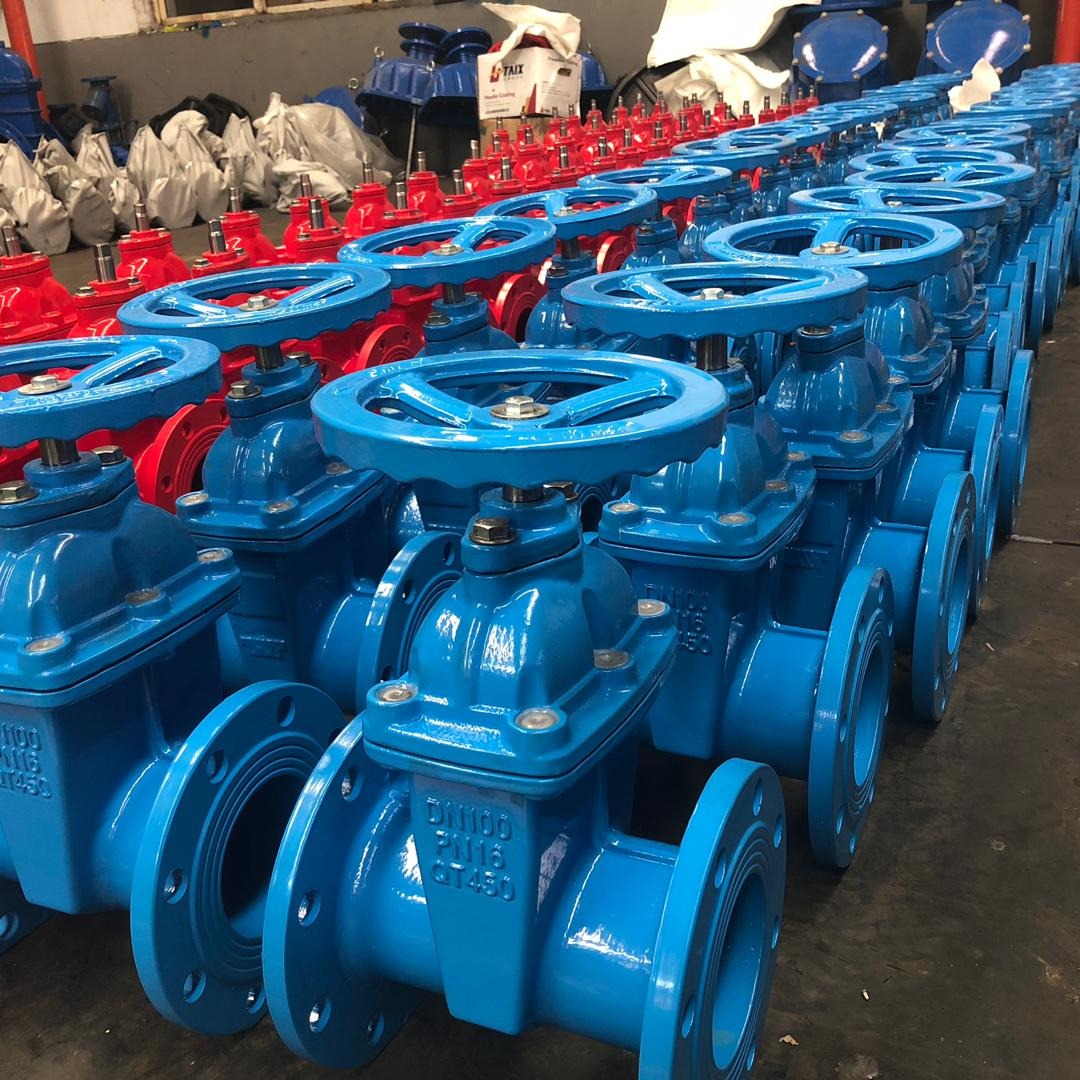
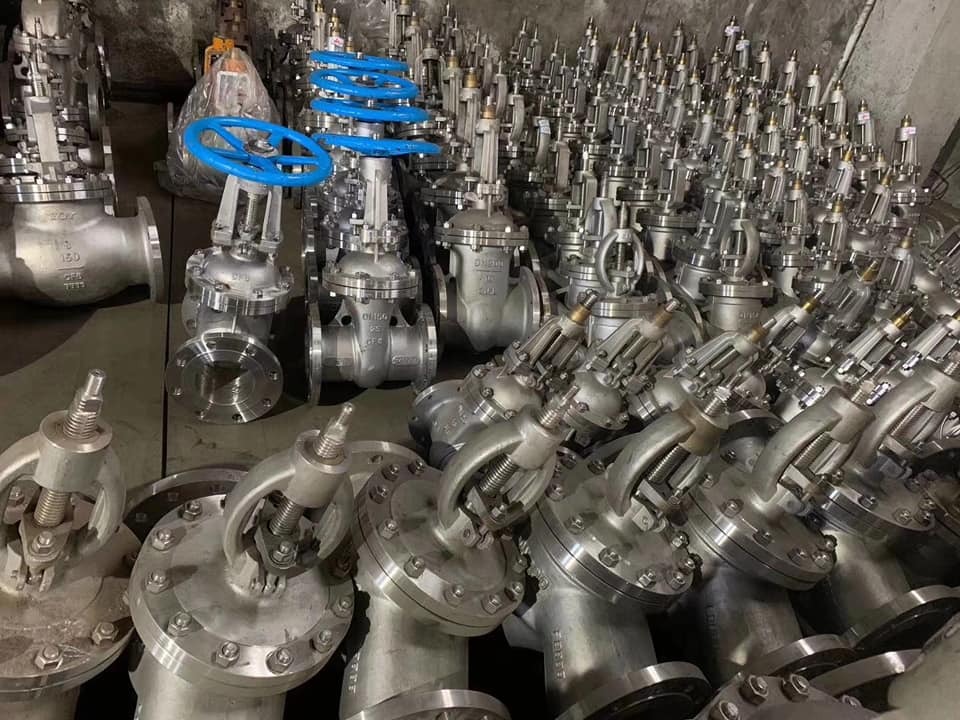
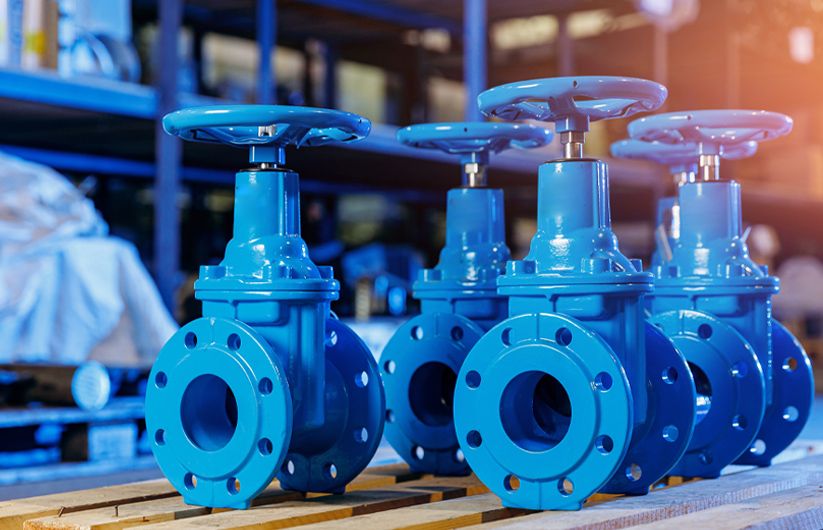
- Gate Valves – Utilized in major pipelines, positive isolation
- Ball Valves – Usual in midstream pipelines, quick shut-off and low pressure drop.
- Globe Valves – Control loops especially benefit from correct throttling.
- Butterfly Valves – Compact and good for low pressure..
- Plug Valves – Works well with liquids that are thick or can scratch.
- Check Valves (Swing, Lift, Dual Plate) – Avoid backflow and protect pumps and compressors.
- Choke Valves – Regulate wellhead pressure in upstream operations.
- Safety & Pressure Relief Valves – Control upstream activities’ wellhead pressure.
Actuation Methods
Manual Actuators
- Handwheel or lever
- Best for low-cycle or non-critical service
Electric Actuators
- Deliver controlled movement and remote operation
- Used in automated process units
Pneumatic Actuators
- Preferred for fast response
- Common in refinery and gas compression units
Hydraulic Actuators
- Used in HPHT systems and subsea equipment
- Suitable for high-force applications requiring precise control
Industry Standards and Certifications (API, ASME, ISO, NACE)
The most frequently referenced standards include:
| API Standards | API 6D – Pipeline valves API 600/602/603 – Gate valves API 607 / 6FA – Fire-safe testing |
| ASME Standards | ASME B16.34 – Valves for pressure–temperature ratings ASME VIII – Pressure-containing components |
| ISO Standards | ISO 5208 – Pressure testing ISO 15848 – Fugitive emissions |
| NACE | NACE MR0175 / ISO 15156 – Material requirements for H₂S service |
Design shape, test criteria, fire resistance, and material certification are all affected by these standards.
Material Choices for Oil & Gas Valves
Common Materials
- Carbon Steel (A105, WCB)
- Stainless Steel (304, 316, CF8M)
- Duplex & Super Duplex
- Nickel Alloys (Inconel, Monel)
- Low Alloy Steels
The material must always match the chemical composition of the fluid and the required mechanical properties in ASME and API codes.
Pressure Class Selection for Oil & Gas Valves (ANSI / ASME Ratings)
Choosing the pressure class is perhaps the most important initial stage in valve design for oil and gas systems, especially in industrial sites and high-energy pipelines.
Key considerations include:
- Expected operating and shutdown pressures
- Temperature impact on pressure–temperature charts
- Pipeline wall thickness and flange compatibility
- Gas compressibility and vapor pressure are two fluid properties.
- Regional standards include API 6D and ASME B16.34.
Choosing the right pressure class guarantees to reduce stress and provides stability on valve components and at the same time promotes safe functioning all across the process plant life.
Flow Characteristics & Mechanism Behaviour
Flow performance influences how the valve behaves in various process conditions.
Flow Characteristics That Matter
- Cv (flow coefficient)
- Pressure drop
- Directional flow sensitivity
- Turbulence
- Throttling ability
- Sealing force under pressure
Globe valves provide excellent control, ball valves offer minimal pressure loss, and butterfly valves support compact large-diameter installations.
Understanding Flow Coefficient (Cv) and Valve Sizing Principles
Among the most crucial criteria for valve selection is flow coefficient (Cv). It controls for a specific pressure drop how much fluid a valve can let pass. Choosing the right Cv ensures a smooth flow, efficient energy use, and avoids issues like noise, vibration, or cavitation.
Why Cv matters in oil & gas plants:
- Determines valve opening percentage required to maintain steady flow.
- Influences process consistency, pump loading, and energy use.
- Keeps big valves from causing erratic control behavior.
- To prevent flashing or erosion damage, limit pressure decrease.
Core valve-sizing considerations:
- Fluid type (gas, liquid, multiphase) and density
- Required flow rate under normal and peak conditions
- Operating pressure and temperature
- Allowable pressure drop across the valve
- Valve trim types include linear, equal percentage, and quick-opening; flow characteristics.
Correct CV choice and size enable engineers to reach precise modulation, safeguard valve internals, and aid long-term operational performance spanning upstream, midstream, and downstream systems.
Safety and Fire-Safe Requirements for Oil & Gas Valves
Oil & gas plants enforce fire-safe standards due to hydrocarbon exposure.
Fire-Safe Standards
- API 607
- API 6FA
These standards require valves to maintain sealing capability after exposure to flame.
Technical Data and Specifications for Oil & Gas Valves
| Specification | Description |
| Pressure Classes | ASME Class 150–2500 / API pressure ranges |
| Temperature Range | -46°C to +850°C (depending on material) |
| Body Materials | Carbon steel, stainless steel, duplex, nickel alloys |
| Testing Standards | API 598, ISO 5208, API 6D, API 6A |
| End Connections | RF, RTJ, BW, SW, NPT |
| Actuation Compatibility | Manual, electrical, pneumatic, hydraulic |
| Fire Testing | API 607, API 6FA |
| Fugitive Emission | ISO 15848-1 |
Structured knowledge of materials, flow mechanics, actuation systems, HPHT circumstances, and certification systems including API, ASME, and ISO is needed for valve selection in oil & gas processing plants. To guarantee uniform performance across several plant sections, every valve has to be verified via defined testing criteria and backed by appropriate paperwork. Certified valves meeting international standards improve operational continuity without favoring any one valve kind whether one is isolating pipelines, managing pressure, or preventing backflow. Across the oil & gas value chain, the correct selection process guarantees safety, system balance, and conformance with technical criteria.