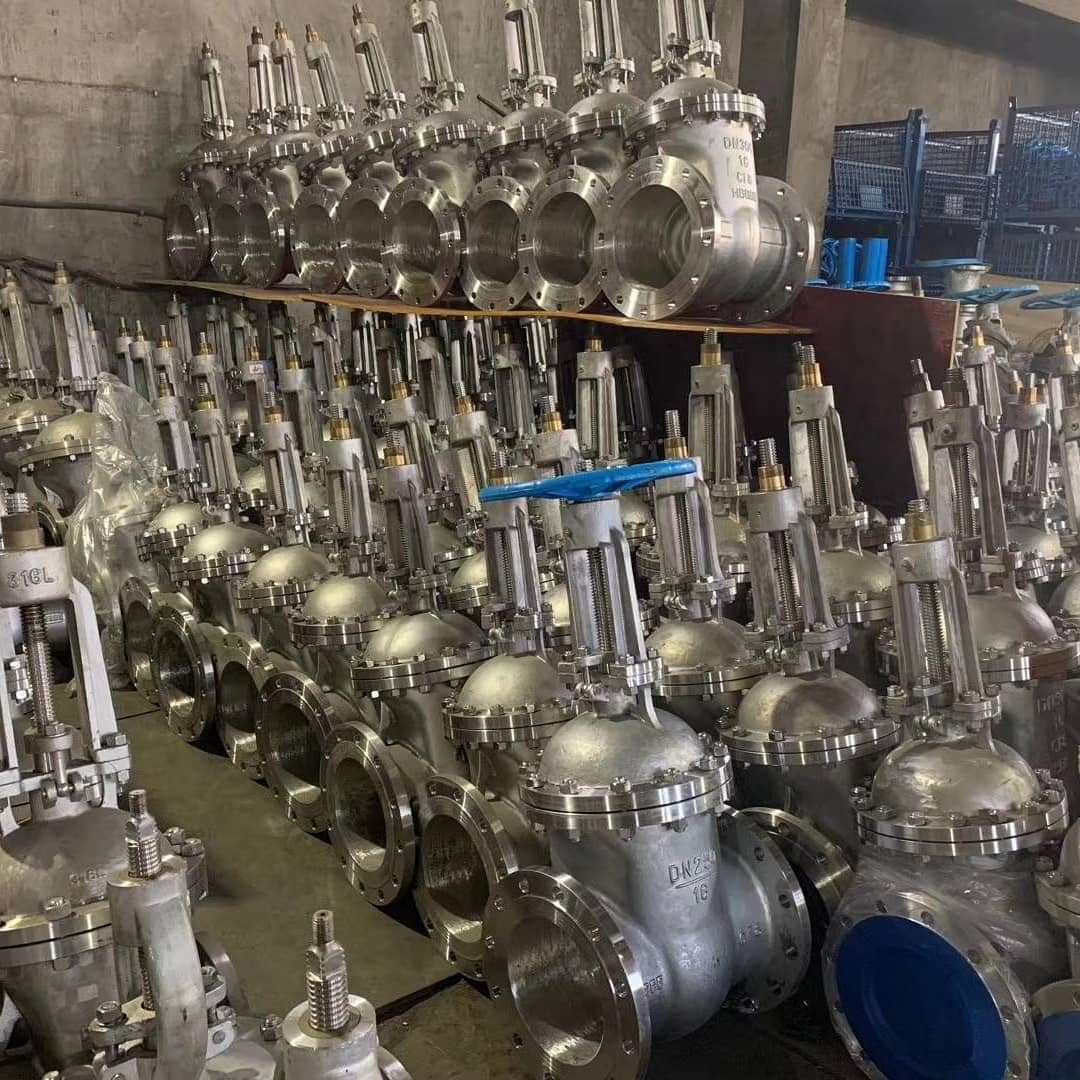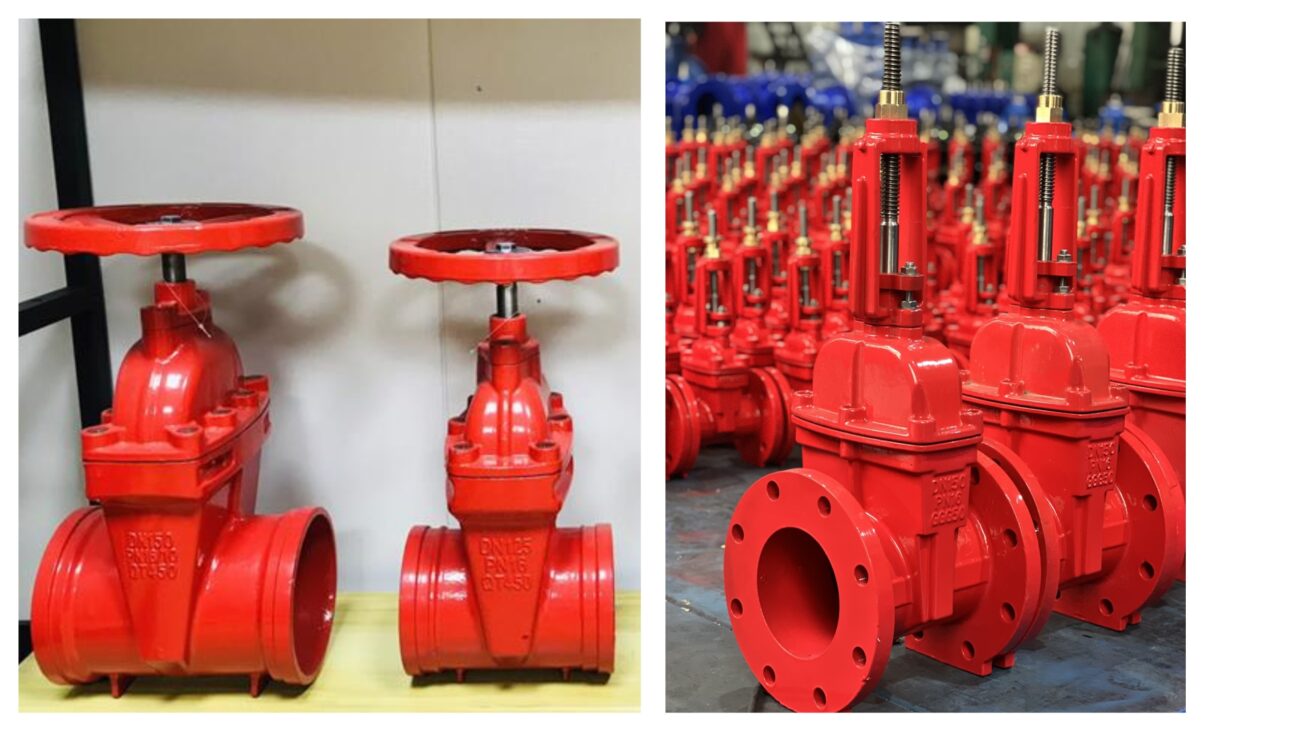
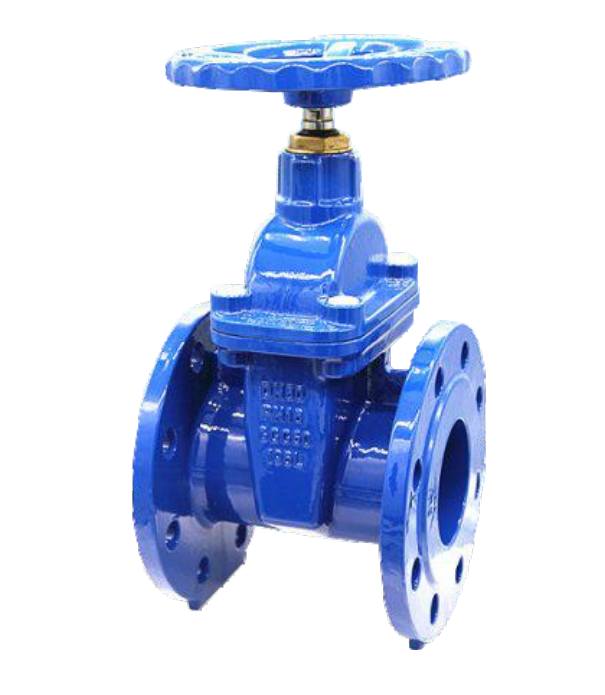
Valves play a critical role in ensuring process stability, flow control, and equipment integrity across industrial sectors in the Middle East. Understanding the correct valve criteria is totally crucial for the safe and effective running of UAE systems, where several sites utilise energy, handle petrochemicals, desalt water, and service vast gas lines. Valve design, testing, documentation, and certification for use usually follow ASME (American Society of Mechanical Engineers) and API (American Petroleum Institute) regulations. Knowing the distinctions between ASME and API valve standards guarantees that procurement divisions and engineers have long-term operating consistency, compatibility, and compliance.
Why Do API and ASME Standards Matter?
API and ASME standards are not just technical labels; they define the operational boundaries and structural expectations of industrial valves.
Reasons These Standards Matter
- Make sure performance is consistent under high temperatures or changing pressures.
- Enforcement of engineering checks helps protect staff and gear.
- Ensure guarantee system compatibility even if parts come from several suppliers.
- Describe non-destructive inspections, fire-safe tests, and hydrostatic tests as well as other testing methods.
- For systems in corrosive or abrasive conditions, especially raise maintenance frequency.
Adherence to API and ASME criteria is occasionally required for safety projects, inspections, environmental laws in industrial centers Abu Dhabi, Dubai, Fujairah, Ruwais.
What Is API (American Petroleum Institute)?
API is one of the most respected bodies setting performance rules for components used specifically in oil and gas environments, both upstream and downstream.
What API Standards Emphasize
- Valves must withstand hydrocarbons, sour gas, and abrasive media.
- Focus on pipeline performance, sealing integrity, and pressure cycles.
- Require fire-safe qualification, vital for refinery and offshore operations.
- Outline detailed testing sequences to ensure field readiness.
Widely Used API Valve Standards
- API 6D – Pipeline valves (ball, gate, plug, check)
- API 600 – Steel gate valves
- API 602 – Compact gate/globe/check valves
- API 603 – Corrosion-resistant gate valves
- API 608 – Metal ball valves
- API 607 / API 6FA – Fire-safe testing
API standards are dominant in UAE’s oilfields, LNG plants, marine terminals, tank farms, gas pipelines, and refinery operations.
What Is ASME (American Society of Mechanical Engineers)?
ASME establishes broad mechanical engineering rules used across global industries—not limited to oil and gas.
What ASME Standards Focus On
- Structural design rules for pressure-retaining components.
- Valve dimensions, wall thickness, and joint integrity.
- Pressure–temperature rating tables based on material classes.
- Guidelines for piping systems, flanges, and pressure vessels.
Common ASME Valve Standards
- ASME B16.34 – Industrial valves
- ASME B16.5 – Flanges
- ASME B31.1 / B31.3 – Power and process piping
- ASME Section II – Material specifications
ASME standards are widely used in desalination facilities, district cooling networks, utilities, power plants, and chemical industries across the UAE.
Key Purpose of Each Standard
Understanding the intention behind the standards helps clarify their role in valve selection.
| API | ASME |
| Define strict field-performance criteria for oil, gas, and hydrocarbon handling. | Offer consistent engineering calculations for stresses and loads. |
| Enforce fire-safe and cycle testing for higher operational risk. | Provide universal design rules applicable to multiple industries. |
| Ensure consistency in demanding processes like pipeline isolation and wellhead systems. | Regulate the relationship between pressure, temperature, and material strength. |
| API prioritizes operational behavior. | ASME prioritizes structural calculations. |
What Is the Main Difference Between API and ASME Valve Standards?
- API is application-specific (mainly oil & gas).
- ASME is engineering-based and applicable across industries.
- API valves undergo fire-safe and service-specific testing, while ASME does not always require that.
- ASME defines pressure classes, API defines performance under real operational cycles.
- API trims, stems, seats, and sealing systems are often built for harsher media.
Simplified Explanation
- API = for hydrocarbon-rich and high-risk environments
- ASME = for general industrial design and engineering integrity
Pressure class is one of the major design variables.
API vs ASME: Pressure–Temperature Ratings Comparison
ASME Approach
- Uses numerical classes like Class 150, 300, 600, 900, 1500, 2500
- Ratings change based on material group and temperature
- Provides detailed tables to determine safe operation
API Approach
- Aligns ratings with operating conditions rather than just temperature
- Focuses on pipeline pressure cycles, transient pressures, and real-life load behavior
- Tighter controls for valves handling hydrocarbons
ASME gives predictable engineering rating curves.
API applies additional field-based criteria, offering extra assurance for pipelines and energy systems.
Design Requirements & Safety Margins
| API Requirements | ASME Requirements |
| Fire-safe qualification (API 607 / API 6FA) | stress calculations based on pressure and temperature |
| Anti-blowout stem designs | Uniform rules for wall thickness |
| Leakage classification for pipeline systems | Dimensional tolerances for end connections |
| Cyclic pressure testing | Minimum material strength specifications |
When to Choose API vs ASME Valves
Choose API When
- Handling crude oil, refined products, or gas
- Working in pipeline networks
- Managing sour-service conditions
- Fire-safe requirements apply
- Offshore or refinery operations
Choose ASME When
- Managing steam or condensate
- Water transmission networks
- HVAC and district cooling
- Chemical processing
- Power plant auxiliary systems
Industrial Applications in the UAE
- LNG terminals and loading stations
- Refinery processing units
- High-pressure gas lines
- Desalination plants
- Chemical production facilities
- District cooling systems
- Power generation stations
- Tank farm isolation systems
Technical Data, Materials & Testing Standards
| Category | API Requirements | ASME Requirements |
| Primary Focus | Oil & gas applications, pipelines, sour service | Engineering design, pressure–temperature integrity |
| Typical Standards | API 600, 602, 603, 6D, 608 | ASME B16.34, B16.5, B31.3 |
| Fire-Safe Requirement | Mandatory for most valves (API 607/6FA) | Not mandatory unless specified |
| Pressure Classes | Based on service conditions | Class 150–2500 tables |
| Material Standards | ASTM, API-specific alloys, NACE compliance | ASTM, ASME Section II materials |
| Testing Requirements | Hydrostatic, seat, operational cycle, fire-safe, fugitive emission | Hydrostatic and seat tests per B16.34 |
| Documentation | API monogram, MTC, NDE, fire-safe certificate | ASME compliance, MTC, dimensional checks |
| Applications | Pipelines, refineries, gas processing, offshore | Steam, chemical plants, power stations, utilities |
How to Verify If a Valve Meets API or ASME Standard
Verification Checklist
- Nameplate identification
- Stamp or monogram (e.g., API 6D monogram)
- Material Test Certificates (MTC EN 10204 3.1)
- Hydrostatic and pneumatic test results
- NDE reports (UT, RT, PT, MT)
- Fire-safe certification (if required)
- Dimensional inspection records
- Pressure–temperature rating confirmation
Ensuring the documentation is complete is a mandatory step before installation.
In the industrial sectors of the UAE, ASME valve standards and API both have very important uses. ASME offers universal engineering design frameworks fit for water, steam, utilities, and general processing systems, whereas API concentrates on performance expectations for oil, gas, and pipeline operations. Choosing one among them calls for legal criteria, process media, pressure levels, environmental considerations, and temperature trends to be analyzed. Certifications from API, ASME, ASTM, NACE, and ISO satisfy worldwide criteria for performance, safety, and compliance.