Industrial Valve material selection has a direct impact on pipeline performance, flow characteristics, corrosion resistance, and the overall safety profile of mechanical systems. Industries in regions with changing temperatures, corrosive environments, and high-pressure applications like the UAE occasionally depend on UAE Valves and other firms for material-specific valve choices. This handbook looks at the main materials carbon steel, stainless steel, duplex steel, and high-performance alloys along with their operational behaviour, flow qualities, technical requirements, environmental friendliness, and use in different industries.
Industrial Valve Materials
Industrial valves are made of materials that can endure certain processes, chemicals, and mechanical conditions. The four main groups of materials are as follows:
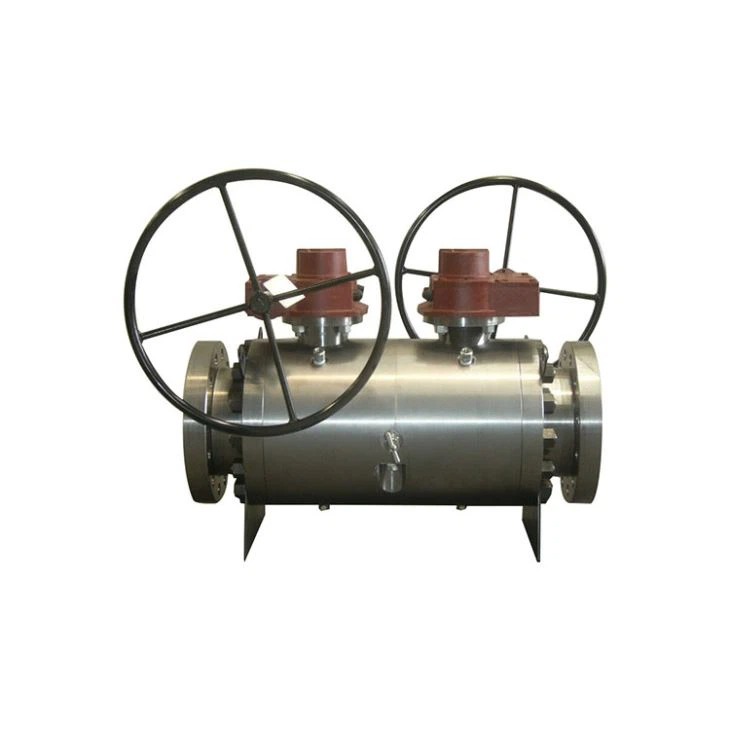
A. Carbon Steel
- Ideal for high-pressure setups
- Works well in hot surroundings
- Many times they are found in steam lines, oil & gas pipelines, and large industrial complexes.
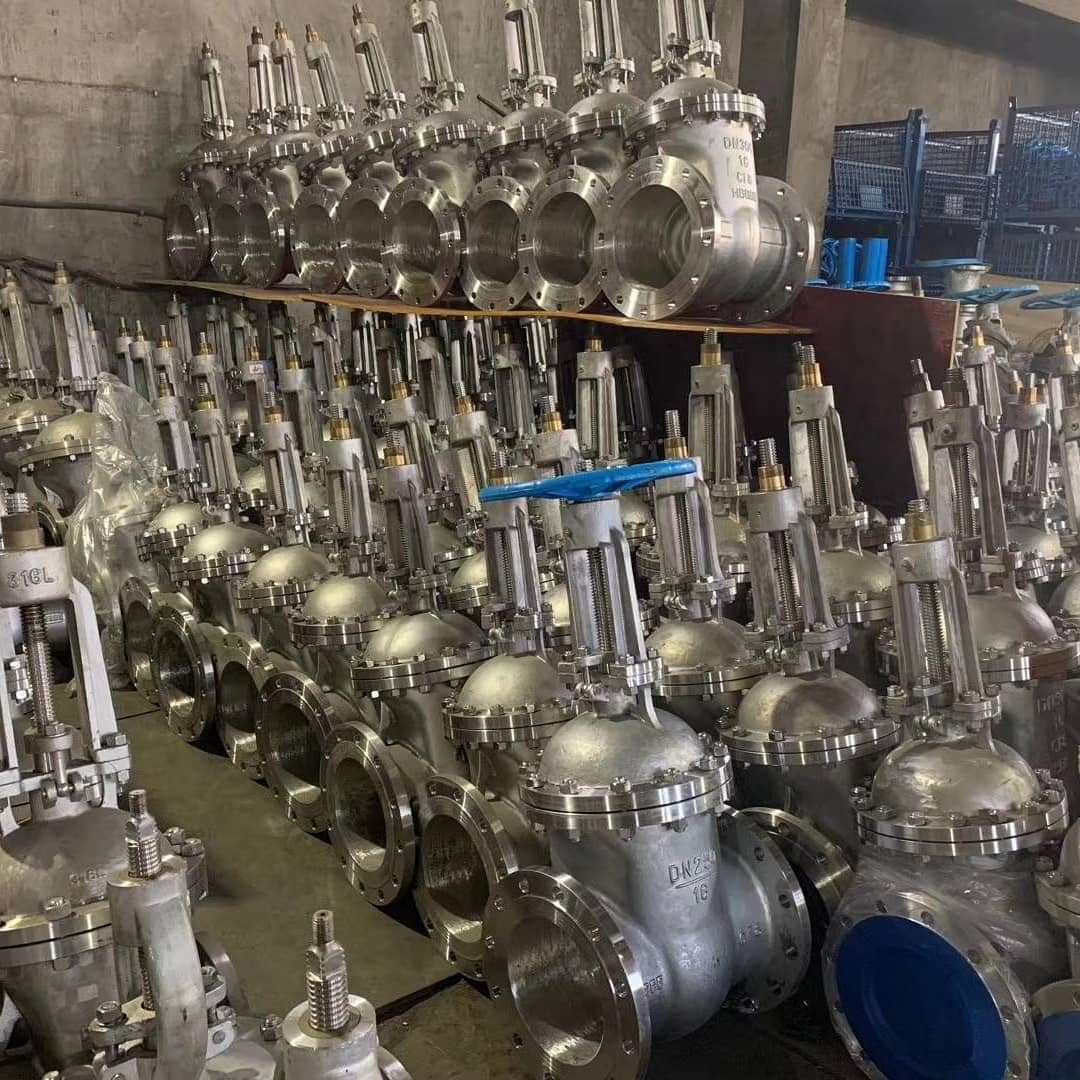
B. Stainless Steel (SS304, SS316)
- Robust opposition to oxidation
- Keeps form under mildly corrosive or wet settings.
- Chemical, and water businesses all frequently use it.
C. Duplex & Super Duplex Stainless Steel
- Austenitic + ferritic two-layered microstructure
- Strong chloride stress corrosion cracking resistance
- Used in offshore, seawater, desalination and other sectors.
D. High-Performance Alloys (Inconel, Monel, Hastelloy, Alloy 20)
- Keep integrity in strong acids and high temperatures.
- Perfect for refinery operations and sour service.
- Applicable where stainless steel is chemically vulnerable.
Design Differences
- Carbon Steel:
- Strong wall thickness
- Higher toughness for high-pressure applications
- Stainless Steel:
- Enhanced surface finish
- Better casting precision, suitable for sanitary systems
- Duplex Steel:
- Balanced strength and corrosion resistance
- Thinner wall construction possible due to higher yield strength
- Alloy Materials:
- Designed for temperature shock, acidity, and corrosive media
- More complex casting and machining requirements
Operational Behavior Differences
| Carbon Steel | Stable under pressure cycles |
| Stainless Steel | Smooth valve operation with reduced scaling |
| Duplex Steel | Handles turbulence and high-salinity efficiently |
| Alloys | Maintain consistent operation even in chemically reactive media |
Material Response During Valve Function
| Carbon Steel | Manages stress from pressure surges Ideal for pipelines with sudden flow changes |
| Stainless Steel | Minimizes internal deposit formation Ensures consistent movement of trim components |
| Duplex Steel | Reduces erosion in abrasive particle flows Maintains structural grip even under vibration |
| High-Performance Alloys | Stay stable in environments containing H₂S, acids, or extreme heat Suitable for continuous operation without material breakdown |
Internal Flow Path Behavior
Material selection changes how the valve handles flow internally:
Key Influences on Flow Behavior
- Surface smoothness: Stainless and duplex offer lower friction.
- Cavitation resistance: Alloys outperform carbon steel.
- Wear rate: Higher in abrasive slurries for carbon steel.
- Heat conduction: Carbon steel disperses heat faster.
Mechanisms Affected by Material
- Sealing capability
- Seat lifespan
- Torque requirements
- Vibration tolerance
Flow Characteristics by Material
- Carbon Steel – stable performance with hydrocarbons and gas streams.
- Stainless Steel – enhanced performance with water, chemicals, and gases.
- Duplex Steel – Better performance with gases, chemicals and water.
- Alloys – low turbulence in chloride-rich medium and salt water.
Comparison of Carbon Steel, Stainless Steel, Duplex & Alloys
| Feature | Carbon Steel | Stainless Steel | Duplex | Alloys |
| Corrosion Resistance | Medium | High | Very High | Extreme |
| Strength | High | Medium | Very High | High |
| Temperature Handling | High | Medium–High | High | Very High |
| Cost | Low | Medium | Higher | Highest |
| Suitable For | Oil & gas | Chemicals | Offshore | Refinery, acids |
How Do Environmental Conditions Affect Valve Material Choice?
Environmental variables significantly shift material performance:
Primary Environmental Influences
- Chloride content: influences pitting
- Temperature fluctuation: affects growth.
- Humidity: accelerates oxidation
- Sand exposure: causes corrosive damage
- Chemical presence: dictates alloy grade necessity
Material Behavior Summary
- Carbon steel: Susceptible to chlorides and humidity
- Stainless steel: Useful in varied surroundings
- Duplex: superior for seawater
- Nickel alloys: Excellent for chemical extremes
Technical Specifications and Material Standards
| Parameter | Carbon Steel (ASTM A216 WCB / A105) | Stainless Steel (304/316/316L) | Duplex Steel (2205 / 2507) | Nickel Alloys (Inconel 625 / Hastelloy C276 / Monel 400) |
| Material Composition | Fe + C (0.3%), Mn, Si | Fe + Cr (18–20%), Ni (8–12%), Mo (2–3% for 316) | Fe + Cr (22–26%), Ni (5–8%), Mo (3–4%) | Ni (60–70%), Cr (20+%), Mo (up to 16%), Cu (for Monel) |
| Tensile Strength | 485–620 MPa | 515–620 MPa | 620–900 MPa | 690–1100 MPa |
| Yield Strength | 250–350 MPa | 205–290 MPa | 450–550 MPa | 276–650 MPa |
| Hardness (HB) | ~170 HB | 150–190 HB | 250–290 HB | 200–320 HB |
| Temperature Range | –29°C to 425°C | –196°C to 870°C | –70°C to 315°C | –196°C to 1000°C |
| Corrosion Resistance | Low; not recommended for chlorides or seawater | High; resistant to oxidation and mild chlorides | Very high; excellent against pitting & crevice corrosion | Exceptional; resists strong acids, seawater, sour gas |
| Chloride Resistance | Poor | Medium (good for 316L) | Excellent | Excellent |
| Pressure Rating | Class 150–2500 | Class 150–2500 | Class 150–4500 | Class 150–4500+ |
| Typical Valve Types | Gate, globe, check, ball | Ball, butterfly, check, control | Ball, butterfly, check | Severe-service ball, plug, control valves |
| Erosion Resistance | Moderate | Good | High | Very high |
| Testing Standards | API 598, ASTM A105/A216 | API 598, ASTM A182 | API 598, ASTM A182 F51/F53 | NACE MR0175, ASTM B423/B444/B574 |
| Cost Level | Low | Medium | Medium–High | Very High |
When to Choose a Specific Valve Material
Choose Carbon Steel When:
- Operating in hydrocarbon pipelines
- High mechanical strength is required
- Cost-efficiency is quite important
Choose Stainless Steel When:
- Managing water, gas, or modest compounds
- Non-contamination or hygiene is really important
- Some corrosion resistance is required.
Choose Duplex When:
- Handling seawater
- Chloride-rich or abrasive fluids are present
- Lightweight strength is required
Choose Alloys When:
- Acids, sour gas, or extreme heat is involved
- A long operating cycle is needed
- Chemical resistance is the primary concern
What Certifications Should We Look for in UAE-Approved Valve Materials?
Important Certifications
- API 600 / 602 / 603 / 6D – Valve production and engineering design
- ASTM Material Standards – Chemical and mechanical requirements
- ISO 5208 – Pressure testing
- NACE MR0175 / ISO 15156 – Adherence with sour service
- EN 10204 (3.1/3.2) – Material traceability documents
Conclusion
Carbon steel, stainless steel, duplex, or alloy will be the best material for your needs depending on temperature, pressure, corrosive chemicals, exposure to the environment, and system design. Apart from electricity, every other chemical in desalination, chemicals, energy, oil and gas, infrastructure, and other sectors satisfies several business demands. To ensure valves are composed of the right material and functions properly, engineers have to examine them against well known certifications like API, ISO, NACE and ASTM. Choosing the right material ensures that the infrastructure of UAE will be strong , long lasting and structurally safe.