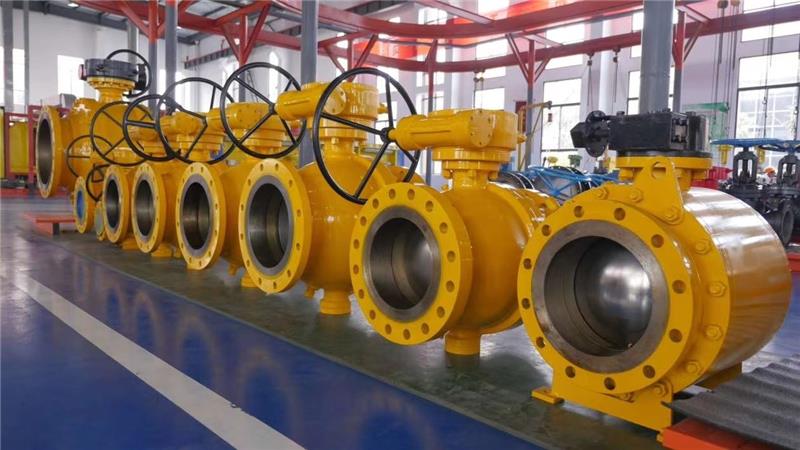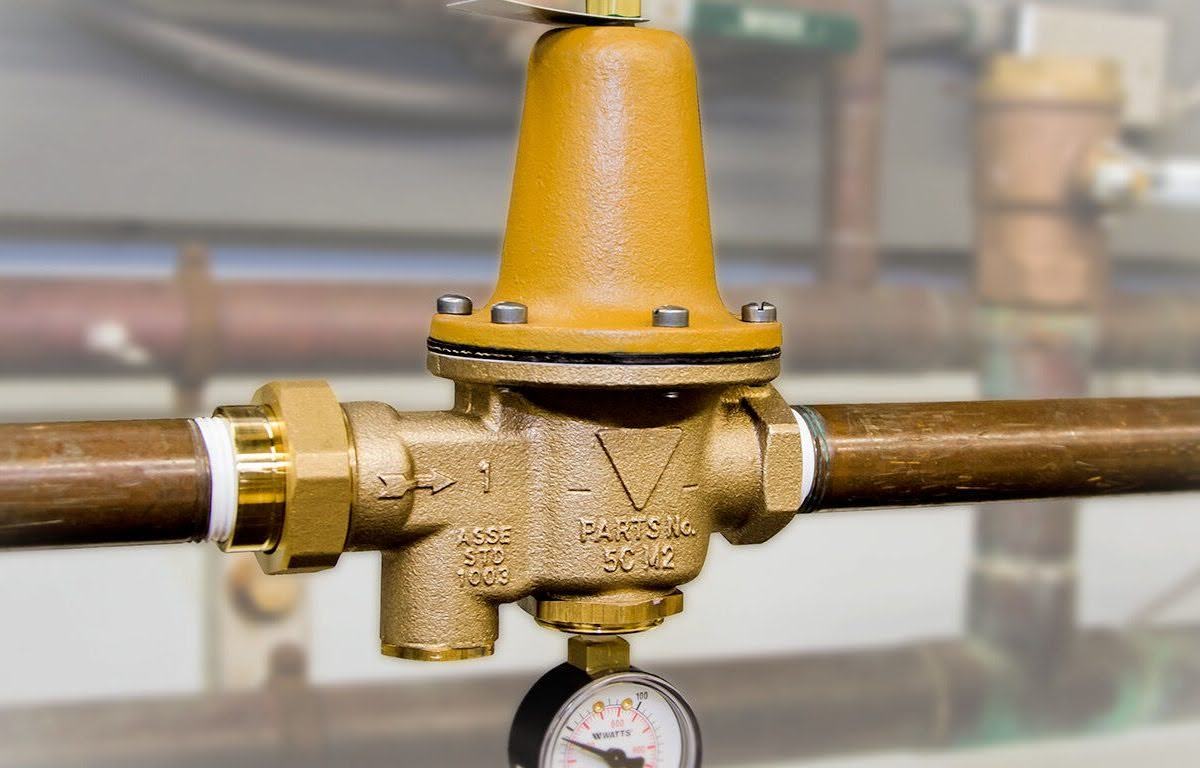
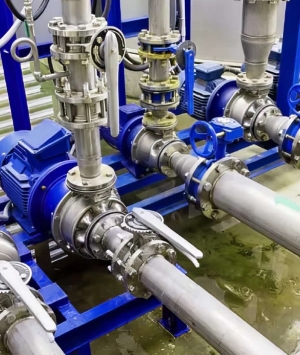
Water treatment plants use gate valves, butterfly valves, ball valves, check valves, globe valves, and knife gate valves depending on flow, pressure, and media conditions.
Water treatment plant valves are critical for controlling flow, pressure, and safety in modern systems. These valves are used in water treatment plants across filtration, desalination, and wastewater systems. If the wrong valves are selected, problems like leakage, corrosion, and pressure imbalance start quickly.
That’s why industries rely on industrial valves for water treatment from experienced suppliers. If you are looking for a water treatment valve supplier UAE, choosing the right partner is just as important as choosing the valve.
What is a Water Treatment Valve Application?
Water treatment involves multiple stages including intake, filtration, chemical dosing, wastewater handling, and distribution. Each stage requires different valves such as flow control valves, pressure control valves, and sludge handling valves.
Because of this, valve selection for wastewater systems must be based on actual application conditions.
Why Valves Are Critical in Water Treatment Systems?
Valves used in water treatment plants perform essential functions:
- Flow control valves regulate movement
- Pressure control valves maintain stability
- Isolation valves allow maintenance
- Check valves prevent backflow
Without proper valve selection, the system becomes inefficient and unreliable.
Key Functions of Valves in Water Treatment Plants
1. Flow Regulation
Flow control valves ensure proper movement of water. Too fast damages systems, too slow causes blockages.
If water moves quickly it can hurt pipes and machines. On the other hand if it moves too slowly stuff can settle and clog up the work.
Valves, such as globe valves and butterfly valves help keep the flow rate right. Good flow control makes things work better and lasts longer with wear and tear on the system.
2. Isolation of Pipeline Sections
Maintenance is something that has to be done in any plant. Isolation valves are really helpful because they let operators close off one part of the system without having to stop the thing. Gate and ball valves isolate sections for maintenance without stopping the entire plant.
This makes it a lot easier to fix things. It also reduces the time that the plant is not working. Gate valves and ball valves are the kinds of valves that people usually use for this kind of thing.
3. Pressure Control
Water treatment plants work under pressure levels.
If the pressure is not managed well:
- The pipes can break.
- The machines can stop working
- There are risks, to peoples safety
Pressure control valves maintain safe operating conditions and prevent damage.
4. Handling Corrosive and Mixed Media
Water treatment is not about having clean water. Water treatment has chemicals and sludge and particles that move through the pipes.
This causes a lot of problems, like :
- Corrosion
- Abrasion
- Clogging
Corrosion resistant valves are essential for handling chemicals and harsh water conditions.
Types of Valves Used in Water Treatment Plants
Not all valves are suitable for water treatment applications. Below are the most commonly used types:
1. Gate Valves
Used for isolation with minimal pressure drop.
Advantages:
- They let stuff flow through with little pressure loss
- They seal well
Gate valves are perfect for turning things on and off but they are not good, for controlling the flow of things.
2. Butterfly Valves
Compact and widely used in large pipelines.
Benefits:
- They are very light and small in size.
- They do not cost much.
- They work well with pipelines.
Butterfly valves are often found in water distribution systems and filtration systems.
3. Ball Valves
Provide tight shut-off and reliable sealing.
Features:
- Leak-proof sealing
- Reliable performance
They are often used in clean water and chemical applications.
4. Check Valves
Check valves prevent reverse flow and protect systems.
They protect:
- Pumps
- Pipelines
- Equipment
They are essential in maintaining system safety and performance.
5. Globe Valves
Globe valves are used for precise flow control.
Best suited for:
- Throttling applications
- Flow regulation
6. Knife Gate Valves
Knife gate valves are the best valve for wastewater systems handling sludge and solids.
Advantages:
- Handles solid particles
- Reduces clogging
They are ideal for harsh operating conditions.
Challenges in Water Treatment Valve Applications
Water treatment systems present several challenges:
1. Corrosion
Water and chemicals can damage valve materials over time.
2. Scaling and Deposits
Minerals can accumulate inside valves and affect performance.
3. Pressure Fluctuations
Sudden changes in pressure can reduce valve lifespan.
4. Mixed Media Handling
Handling both clean water and sludge increases wear and tear.
Because of these factors, valves must be selected carefully based on operating conditions.
Material Considerations for Water Treatment Valves
Material selection plays a major role in valve performance.
Common materials include:
- Stainless steel
- Ductile iron
- Alloy steel
- Rubber-lined valves
In UAE environments, where humidity and salinity are high, corrosion resistance becomes extremely important.
This is why companies like UAE Valves focus on supplying valves made from high-quality materials that meet international standards and perform well in harsh conditions.
Best Practices for Selecting Valves
When choosing valves for water treatment plants, consider:
- Understand fluid type
- Check pressure and flow requirements
- Select corrosion resistant materials
- Work with trusted wastewater valve suppliers
Also, always work with a reliable supplier who understands your application requirements.
Conclusion
Choosing the right water treatment plant valves improves efficiency, reduces maintenance, and ensures long-term reliability. Whether it is desalination valves UAE or wastewater systems, selecting the correct valve is essential for performance and cost savings.
The right valve makes sure:
- Things run smoothly
- There is maintenance
- The valve lasts longer
The wrong valve causes problems and costs more.
That’s why it’s good to work with suppliers like UAE Valves who know what they’re doing. They help choose the valve and understand the system so the valve works well for a long time.
In the end valves might seem small. They keep the whole water treatment system running. Valves are really important for water treatment plants. Uae Valves can help with that.