Working with a leading Valve Supplier in Dubai gives operators access to precision engineered solutions built to maintain stable pressure, protect downstream equipment, and handle fluctuating flow conditions in water and gas systems.
For industrial water distribution, gas lines, and utility systems across Dubai, Abu Dhabi and Middle East designed for exact pressure control, safety, and long-term dependability, UAE Valves offers pressure reduction valves. This blog describes how a pressure reducing valve functions, the many varieties available, and how to pick the ideal pressure reducing valve for water and gas applications.
What is a Pressure Reducing Valve?
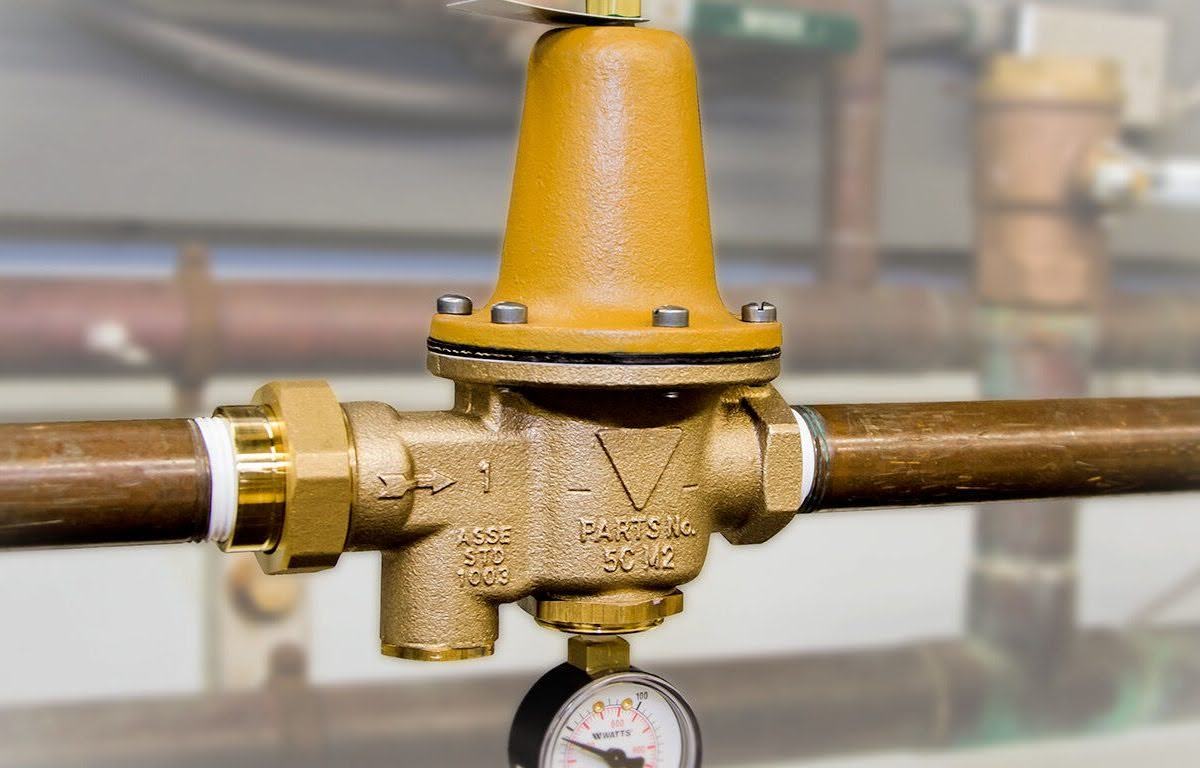
A pressure reducing valve is a kind of valve that helps keep the water pressure the same on the other side of the valve. It does this when the pressure on the side before the valve is changing.
In the world the pressure is not always the same. For example in the water pipes that supply cities or in the pipes that carry gas and water to factories the pressure goes up and down. This happens because the pumps that push the water or gas are turning on and off and because people are using less water and gas.
If we do not use a pressure reducing valve, for water and gas systems the pipes can get damaged, start leaking and the equipment can break.. A pressure reducing valve helps keep the pressure under control so the pipes and equipment last longer and work better.
How Does a Pressure Reducing Valve Work?
The operation of a pressure reducing valve is based on continuous pressure sensing and force balance.
Inside the valve, a diaphragm or pilot mechanism monitors downstream pressure and compares it with a preset value.
- When downstream pressure drops, the valve opens to allow more flow
- When downstream pressure increases, the valve restricts flow
This continuous adjustment ensures stable outlet pressure even when inlet pressure fluctuates significantly .
From an engineering perspective, this is vital during transitional states. Pressure spikes can momentarily be 2 to 3 times higher than usual operating pressure during, say, a rapid pump shutdown. An appropriately chosen pressure reduction valve shields downstream systems and absorbs these oscillations.
Types of Pressure Reducing Valves
- Direct Acting Pressure Reducing Valve: Uses a spring and diaphragm to directly sense downstream pressure, making it suitable for small pipelines and point-of-use applications where quick response is required.
- Pilot Operated Pressure Reducing Valve: Uses a pilot mechanism to control the main valve, providing high accuracy and stable pressure control in large pipelines and fluctuating flow systems .
- Steam Pressure Reducing Valve: Maintains consistent steam pressure in boiler and heating systems to improve efficiency and prevent equipment damage.
- Water Pressure Reducing Valve: Controls pressure in potable and industrial water systems to prevent leakage and pipeline stress.
- Pressure Relief and Sustaining Valve: Prevents overpressure conditions by releasing excess pressure while maintaining upstream pressure levels.
Applications in Water Systems
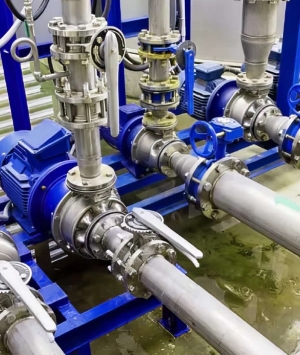
In large water treatment and distribution systems, PRVs are installed at multiple critical points:
- Intake structures where raw water enters the system
- Filtration units where stable flow is required
- Chemical dosing systems where pressure affects dosing accuracy
- Distribution pipelines supplying treated water
Without proper pressure control, these systems can experience flow instability, leakage, and reduced operational efficiency.
Applications in Gas Systems
Gas systems require precise pressure regulation due to safety risks and sensitivity of downstream equipment.
PRVs are commonly used in:
- Natural gas distribution networks
- Industrial gas pipelines
- Fuel gas systems in power plants
Standards such as ISO 23555 and EN 334 ensure safe operation of gas pressure reducing valves under varying pressure conditions .
Technical Specifications of Pressure Reducing Valves
| Parameter | Specification |
| Size Range | DN 15 to DN 600 |
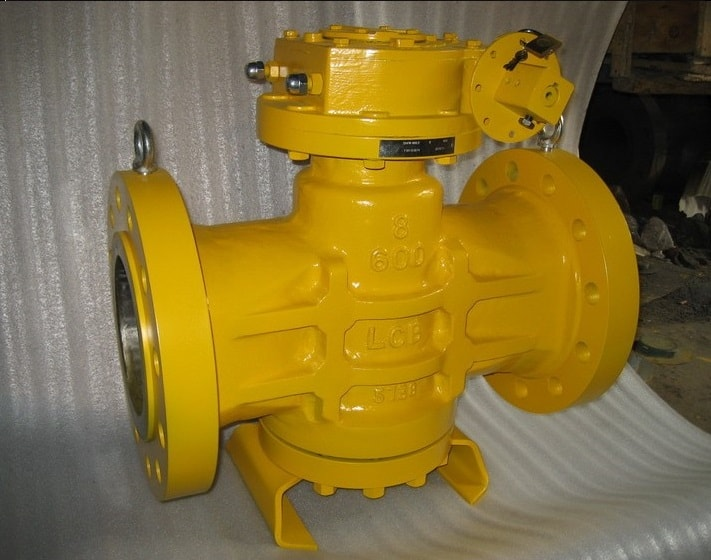
| Pressure Ratings | PN 10 to PN 250, ASME Class 150 to 600 |
| Set Pressure Range | 0.2 bar to 25 bar for direct acting, wider for pilot operated |
| Temperature Range | −20°C to 220°C |
| End Connections | Flanged RF, RTJ, Butt Weld, Socket Weld, Threaded |
| Control Accuracy | ±10 percent for direct acting, ±1 to 2 percent for pilot operated |
| Body Design | Globe or angle pattern |
| Seat Type | Soft seat or metal seat |
| Testing Standards | API 598, ISO 5208, MSS SP 61 |
| Design Standards | BS EN 1567, ASME B16.34, EN 334 |
These specifications must align with system requirements to ensure reliable performance in industrial pressure control systems .
Material Selection Based on Service Conditions
| Service Condition | Recommended Material |
| Potable Water Systems | Epoxy coated ductile iron |
| Chemical Dosing Lines | Stainless steel CF8 / CF8M |
| Wastewater Systems | Carbon steel with protective lining |
| Steam Applications | Stainless steel or alloy steel |
| Corrosive Media | Duplex or high-grade stainless steel |
Material selection plays a critical role in ensuring durability, corrosion resistance, and long service life.
Key Engineering Considerations for Selection
Selecting the right pressure reducing valve requires more than matching pressure ratings.
- Change in Flow: Pilot operated valves are needed for stable performance in systems with changing demand.
- Pressure Waves: Pump starting and stopping sequences can cause pressure peaks far above the operating pressure.
- Accuracy Needs: Precise pressure control is necessary in critical systems including chemical dosing and gas distribution.
- Maintenance Accessibility: Valves that enable simple adjustment and maintenance are needed in systems meant for continuous use.
Common Mistakes in Pressure Reducing Valve Selection
- Direct acting valves in systems with great flow
- Ignoring situations of pressure surge
- Choosing the wrong substance for corrosive conditions
- Oversizing the valve degrades control precision.
- Concentrating only on initial price rather than lifecycle performance
These mistakes often result in unstable pressure, leakage, and increased maintenance costs.
Industries Using Pressure Reducing Valves
Pressure reducing valves are widely used across industries requiring reliable pressure control valves in Dubai, Abu Dhabi and Middle East.
- Oil and gas distribution systems
- Power generation plants
- Water treatment and desalination facilities
- Petrochemical processing units
- Marine and offshore systems
- Industrial utility networks
Their ability to maintain stable pressure makes them essential for safe and efficient operation .
Maintaining system safety, efficiency, and reliability depends on a pressure reducing valve for water and gas systems. Modern industrial uses absolutely need it because of its capacity to control pressure, absorb variations, and guard against downstream equipment.
Choosing the proper pressure lowering valve calls for knowledge of flow conditions, pressure changes, and material compatibility in actual operating settings. Collaboration with an experienced Valve Supplier in Dubai like UAE Valves guarantees access to technically appropriate solutions developed for long-term performance and dependable pressure management.