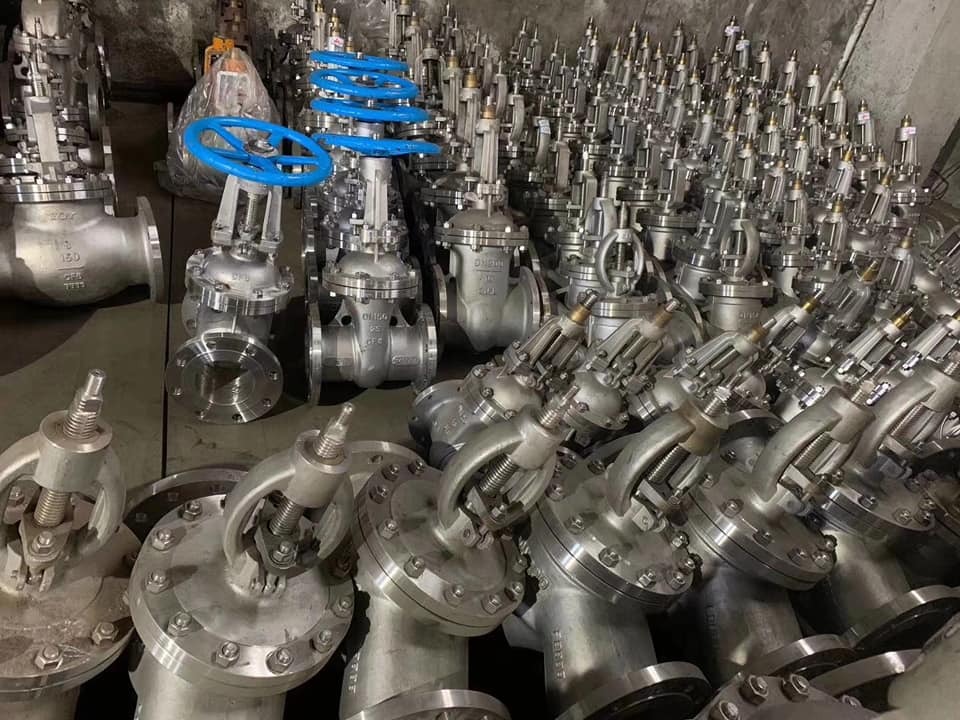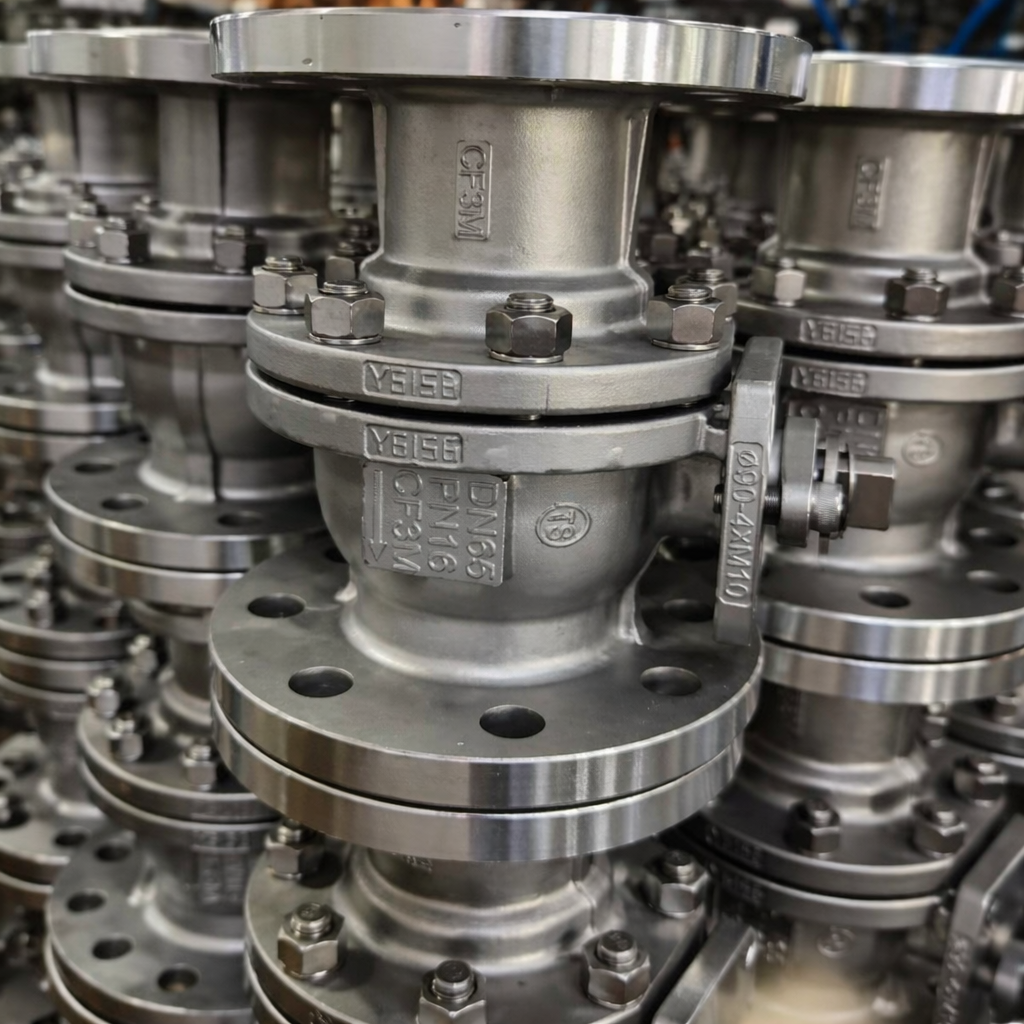
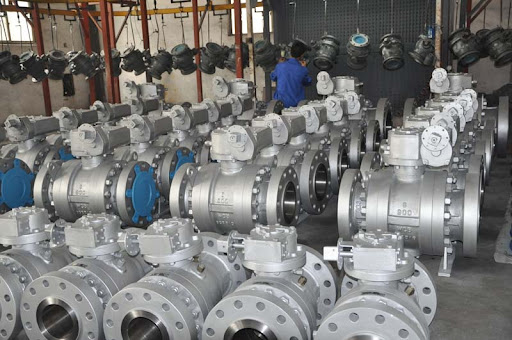
Choosing valves in big oil and gas projects is not a regular purchasing chore. For EPC contractors, the correct valve provider directly affects plant dependability, safety, compliance with regulations, and long-term running expenses. Once the project is in execution, a single flaw in material, testing, or documentation could cause expensive delays or rework.
This is very true for oil and gas activities in the UAE, where stringent rules and difficult operating circumstances exist. EPC companies hence use a systematic and thorough process for supplier evaluation to guarantee that valves supplied now will operate dependably all through the asset’s lifespan.
UAE Valves collaborates closely with EPC teams to match project timelines, material choice, and technical criteria. From technical analysis to procurement readiness, this paper clarifies how EPC companies evaluate valve suppliers and stresses the elements most relevant in actual project settings.
Key Steps in EPC Valve Supplier Evaluation
EPC contractors typically follow a multi-step approach when evaluating potential valve suppliers. This includes technical assessment, vendor prequalification, and verifying procurement readiness.
Technical Evaluation of Valve Suppliers
- Verifying material grades for pressure, temperature, and corrosion exposure, including detailed oil and gas valve material comparisons
- Confirming compliance with API requirements for oil and gas valves and relevant ASME valve standards
- Reviewing test certificates, heat numbers, and full material traceability
- Assessing the supplier’s capability to deliver corrosion-resistant valves suitable for offshore and chemically aggressive environments
- Evaluating experience with high-pressure and high-temperature applications
Vendor Prequalification
- Valid ISO certifications and established quality management systems
- ADNOC or other regional approvals, where applicable
- Proven track record on similar oil and gas or EPC projects
- Robust documentation practices, including inspection records and project-specific documentation
Procurement and Operational Readiness
- Ability to supply valves in bulk quantities without compromising quality
- Logistics planning and inventory control to meet tight delivery schedules
- Availability of technical support for installation, commissioning, and post-delivery issues
Valve Material Considerations
EPC contractors assess a supplier’s ability to provide valves suitable for the project’s operational requirements. Material capability is a key factor in evaluating technical competence.
| Requirement | Supplier Assessment | Material Examples |
| Pressure, Temperature & Corrosion | Valves meet project-specific operational conditions | Carbon steel, stainless steel, duplex |
| Corrosion Resistance | Can supply corrosion-resistant valves UAE for offshore/aggressive environments | Stainless steel, duplex, super duplex |
| Standards Compliance | Material complies with API and ASME standards | Carbon steel, stainless steel |
| Technical Experience | Experienced in high-pressure, high-temperature, or chemically challenging environments | All applicable grades |
| Material Flexibility & Availability | Bulk supply capability and ability to provide different grades | Carbon steel, stainless steel, duplex |
| Traceability & Documentation | Maintains full traceability and complies with international/regional standards | All supplied materials |
EPC Valve Procurement Process
The procurement system is designed to reduce risk and guarantee conformity:
- Request for Quotation (RFQ) Evaluation: Evaluate the commercial and technical proposals of vendors.
- Technical Bid Review: Evaluate product performance, standards conformance, and material compliance.
- Commercial Evaluation: Consider the legal clauses, delivery schedules, and prices.
- Vendor Shortlisting: Prequalified vendors are chosen according to references, credentials, and competency.
- Final Approval: Following technical, legislative, and commercial evaluation, EPC companies settle on vendors.
This organized method guarantees that EPC contractor industrial valve vendors satisfy delivery and quality criteria.
Supplier Performance Metrics
Beyond simple compliance and tangible factors, EPC contractors assess supplier performance by:
- Reliability in meeting project deadlines and delivery times.
- References from earlier projects showing knowledge of major EPC initiatives.
- After-sale support and warranty capacities.
- A capacity to supply EPC projects with bulk valves without sacrificing quality.
Excellent suppliers lessen project hazards and enable flawless integration into sophisticated oil and gas networks.
Valve Testing and Inspection Procedures
| Test / Inspection | Purpose | Key Checks |
| Factory Acceptance Testing (FAT) | Verify design and performance before shipment | Functional operation, dimensions, cycles |
| Hydrostatic Testing | Ensure valve withstands design pressure | Pressure hold, leakage, seat integrity |
| Non-Destructive Testing (NDT) | Detect defects without damage | Radiography, ultrasonic, magnetic particle tests |
| Leak Testing | Confirm sealing and tight shutoff | Seat leakage, body leakage, packing tightness |
| Material Verification | Ensure materials meet project specs | Chemical composition, hardness, traceability |
| Documentation Review | Support compliance and audits | Test certificates, inspection reports, API/ASME standards |
Correct testing and inspection confirm supplier quality and guarantee valves function consistently under environmental and operating circumstances. EPC contractors need these inspections to reduce risk and keep project compliance.
Risk Mitigation Through Supplier Evaluation
Vendor prequalification helps to reduce project and operational hazards. Good assessment guarantees::
- Design criteria for valves are satisfied, and they hold up under harsh circumstances including strong pressure, high temperature, or corrosive ones.
- Suppliers maintain consistent quality for bulk delivery.
- Technical and commercial conformity lowers cost overruns and delays.
- Traceability and documentation aid EPC reporting needs as well as legal audits.
Standards, Certifications, and Compliance
Certifications and adherence to standards are critical:
| Standard / Certification | Purpose / Supplier Requirement |
| API and ASME | Guides valve design, material selection, and testing requirements |
| ISO Certification | Demonstrates robust quality management systems |
| ADNOC Approval | Mandatory for UAE-based oil and gas projects |
| Project Documentation | Suppliers must provide complete test certificates, inspection records, and traceability documents |
These standards ensure valves perform reliably and safely under UAE project conditions
Practical Insights for Procurement Professionals
By means of procurement teams, supplier evaluation can be simplified:
- Prioritizing suppliers with proven experience in both carbon steel and stainless steel valve supply.
- Assuring traceability and readiness of documentation for regulatory adherence.
- Reviewing technical support and after-sales service capacity.
- To avoid design issues, line procurement with valve material choice for oil and gas projects UAE.
Effective assessment enables procurement teams to maintain operational efficiency, lower project risk, and make wise decisions.
Conclusion
Choosing valve suppliers for major oil and gas projects calls for several phases including technological assessment, vendor prequalification, and procurement readiness. While stainless steel and duplex types give corrosion resistance in demanding offshore and chemical settings, carbon steel valves offer strength for onshore operations. To guarantee compliance and dependability, EPC contractors thoroughly examine supplier certifications, past project performance, and technical capabilities. For challenging initiatives, early supplier involvement also simplifies procurement, documentation, and logistics.
Collaborating with seasoned suppliers like UAE Valves guarantees availability of premium valves meeting API, ASME, and ADNOC criteria. Streamlining the EPC valve procurement process, cutting project risk, and guaranteeing long-term reliability across oil and gas systems is achieved by coordination with a carbon steel valve supplier in UAE or a stainless steel valve manufacturer in UAE.