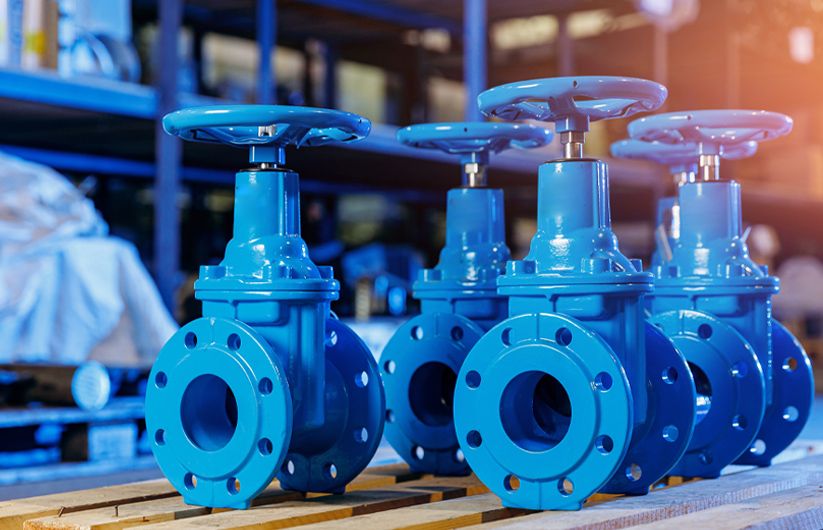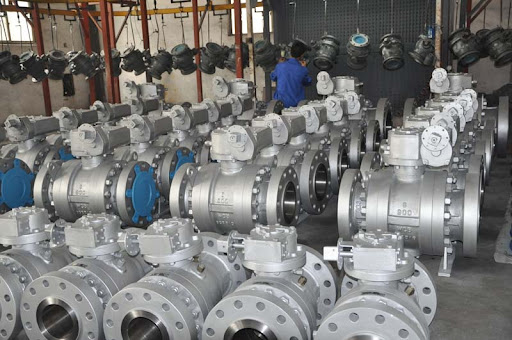
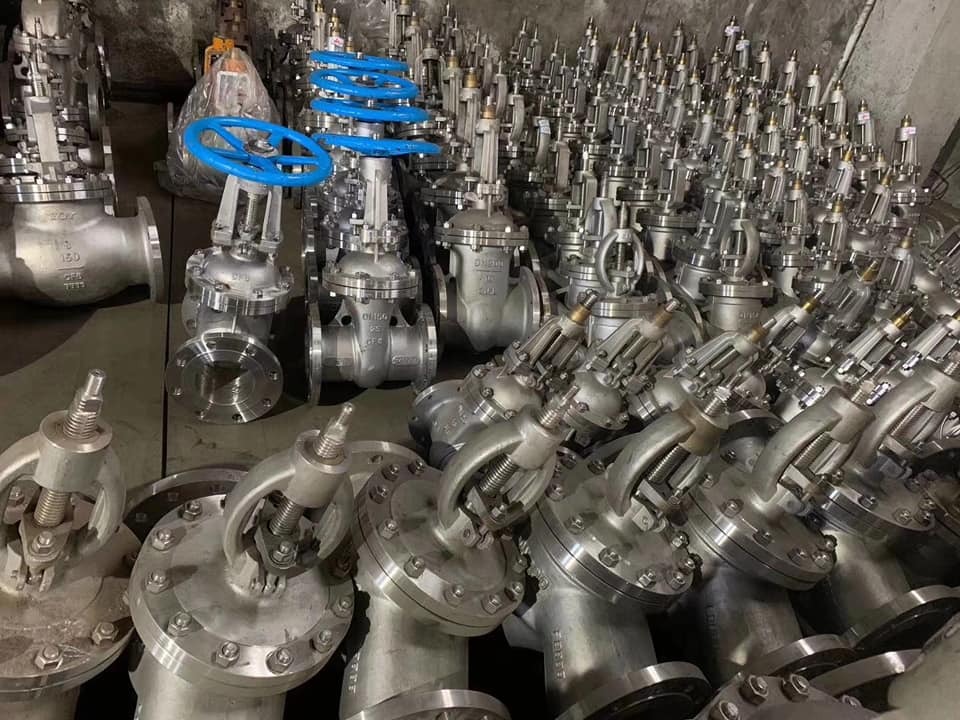
In oil and gas infrastructure, valve material selection is a critical engineering decision affecting performance, safety, and project compliance. Engineers and procurement departments have to evaluate items according to operating needs, criteria, and ambient conditions. For UAE oil and gas projects where the correct decision guarantees dependability and lowers operational risk, carbon steel and stainless steel valves continue to be a major consideration. Material selection also directly influences system integrity across the full project lifecycle.
For EPC-led projects, coordination with a carbon steel valve manufacturer in UAE or a stainless steel valve manufacturer in UAE is essential to ensure material suitability and compliance under actual service conditions. UAE Valves works closely with EPC contractors to align valve materials with project requirements. This blog covers material differences, selection considerations, applicable standards, and supplier evaluation for oil and gas projects in the UAE.
Core Differences: Carbon Steel and Stainless Steel Materials
Strong and resilient, Carbon Steel is an iron-carbon alloy renowned for its superior mechanical characteristics. For typical hydrocarbon applications, it is frequently used in oil and gas pipeline valves since it has great pressure resistance and structural strength.
But stainless steel includes chromium and nickel, which greatly boost oxidation and corrosion resistance. This makes it perfect for uses including pipelines carrying chemically unfriendly liquids, offshore installations, and exposure to seawater as well as other challenging contexts.
- Carbon Steel: Offers overall hydrocarbon services great strength and dependability.
- Stainless Steel: Offers greater corrosion resistance and is perfect for chemically active, high-chloride, and offshore environments.
Why Valve Material Matters in Oil & Gas Projects
Valve performance ensures pipeline integrity is preserved, flow is controlled, and oil and gas operations are safe. Selecting the best valve material is about more than simply taste; it has a direct bearing on the long-term viability of initiatives and the reliability of operations:
- Pressure and temperature ratings: Different substances can withstand different levels of high pressure and heat.
- Corrosion resistance: Offshore and interior surroundings provide different difficulties with corrosion.
- Regulatory compliance: Valve must satisfy local and global criteria, including API, ASME, and ADNOC certifications.
Choosing the proper valve material guarantees reliability and safety in rigorous oil and gas uses.
Common Valve Materials
Carbon Steel Valve Materials
Carbon steel materials are robust and time‑tested for many oil and gas environments:
- ASTM A105 / WCB: Widely used for forged and cast valves handling hydrocarbons.
- Low‑temperature carbon steels (A350 LF2): For colder service conditions.
These grades are used in gate, globe, check, and ball valves where corrosion is not the primary challenge.
Stainless Steel Valve Materials
Stainless steel grades are widely specified where corrosion resistance and clean operation are required:
- CF8 / 304: Good general resistance; acceptable for moderate corrosive conditions.
- CF8M / 316 / 316L: Better chloride and pitting resistance; common for seawater and offshore service.
- Duplex (e.g., SAF 2205): High strength plus superior corrosion resistance for marine, sour gas, and high‑chloride environments.
- Super duplex alloys (e.g., Zeron 100): For extreme chloride and crevice corrosion resistance.
Valve Standards and Certifications for UAE Projects
Valves for oil and gas projects must comply with international and regional standards to ensure safety and interoperability. Engineers and procurement teams consider standards early in the EPC valve procurement process:
- API 6D / API 600 / API 602: Design and performance for pipeline and general valves.
- ASME B16.34: Pressure‑temperature ratings and materials.
- NACE MR0175 / ISO 15156: Hydrogen sulfide and sour service.
- ISO 5208: Pressure testing requirements.
- EN 10204 (3.1/3.2): Material certification and traceability.
EPC contractors ensure valve materials and manufacturers hold the necessary documents and test reports before vendor approval.
Operating Conditions: Pressure, Temperature & Corrosion
Valve material choice depends on the environment pressure, temperature, and corrosion affect performance.
Pressure & Temperature:
- Carbon steel: High strength, suitable for high-pressure, low-corrosion systems.
- Stainless steel: Handles high pressure; better for high temperatures or chemical exposure.
- Always match material to design pressure and temperature.
Corrosive Environments:
- SS316/316L and duplex: Resist pitting, crevice corrosion, chloride stress cracking.
- Ideal for offshore, chemical injection, and saline pipelines.
- Carbon steel: Needs coatings or protection in aggressive environments.
Material selection relies on environmental variables including chemical exposure, salt spray, and humidity. Knowing these enables one to choose the right valve material to stop decay across service lifetime.
Valve Types and Material Suitability
Different valve types interact uniquely with materials. Selection depends on functional requirements:
| Valve Type | Carbon Steel | Stainless Steel | Typical Applications |
| Gate Valve | Onshore pipelines, high-pressure shut-off | Offshore, corrosive environments | Mainline isolation, oil & gas transport |
| Globe Valve | Flow regulation in non-corrosive systems | Corrosive fluids, chemical injection | Throttling, pressure control, process lines |
| Ball Valve | General hydrocarbon flow | Seawater, offshore, acidic fluids | Flow isolation, offshore pipelines |
| Check Valve | Standard pipeline backflow protection | Corrosive or sour service pipelines | Prevent backflow in high-pressure systems |
| Butterfly Valve | Limited in corrosive conditions | Chemical, offshore pipelines | Large diameter flow control, water injection |
| Specialty / Instrumentation Valves | Not ideal for corrosive or precise control | Recommended for chemical sampling, offshore, critical systems | Sampling, instrumentation, analytical systems |
Factors Influencing Carbon Steel vs Stainless Steel Valve Selection in Oil & Gas Projects
Choosing carbon steel or stainless steel valves requires a careful review of project-specific considerations to ensure compliance, safety, and dependability:
- Fluid Type & Corrosivity: Carbon steel is the ideal metal for non-corrosive hydrocarbons; stainless steel is the finest for salty water, sour gas, or corrosive fluids.
- Pressure & Temperature: While stainless steel shines in strong chemical exposure and at high temperatures, carbon steel shines under high-pressure conditions.
- Environmental Conditions: Usually, stainless or duplex alloys are required for carbon steel coastal or high-chloride onshore pipes.
- Standards Compliance: Apart from local UAE clearances such as ADNOC, valves have to follow API, ASME, and NACE criteria.
- Operational Needs: Using full-bore valves, throttle, or crucial isolation sites one might choose between carbon steel and stainless steel.
By means of performance, safety, and longevity assessment, selecting the proper material guarantees that UAE oil and gas initiatives are balanced in terms of performance, safety, and lifetime.
When to Choose Carbon Steel or Stainless Steel Valves
Choose Carbon Steel Valves When:
- Service involves non‑aggressive hydrocarbons
- High mechanical strength is critical
- Standard pipeline and onshore applications dominate
Carbon steel remains a go‑to for many EPC projects because it meets strength requirements for standard oil and gas flow duties.
Choose Stainless Steel Valves When:
- Corrosion resistance is essential
- Offshore, seawater, or sour gas exposure exists
- Higher‑grade alloy performance is required
Duplex and super duplex stainless steel variations solve issues in settings where chemical attack, pressure, and chloride present hazards.
Conclusion
Both carbon steel valves and stainless steel valves are vital in oil and gas developments in the United Arab Emirates. Carbon steel is perfect for traditional hydrocarbon services and inland pipelines when mechanical strength takes first priority. Stainless steel offers outstanding corrosion resistance and durability in offshore, corrosive, or chemically hostile conditions.
Choosing the proper material depends on operational demands, fluid kind, and project conditions. Working with a stainless steel valve maker in UAE or a carbon steel valve maker in UAE that is aware of regional operating conditions and worldwide standards is absolutely necessary for EPC and project-driven needs. UAE Valves assists with such project needs by matching material choice to pertinent API, ASME, and ADNOC guidelines. Early material choices made during the engineering phase also help prevent compliance problems during implementation and design modifications. Selecting the proper valve material improves long-run performance, dependability, and safety throughout oil and gas networks.