Introduction to API Valve Standards
Valve selection in oil and gas, petrochemical, and energy industries goes far beyond basic considerations such as size, pressure rating, or end connections. Valves are critical safety and control components, and their performance must comply with internationally recognized engineering standards.
This guide explains the key differences between API 6D vs API 600 vs API 602 valves and helps engineers, procurement teams, and plant operators make the correct selection based on application and performance requirements.
An effective API valve standards comparison is essential because each standard defines specific design, testing, and performance criteria. Understanding the difference between API 6D and API 600, as well as how API 602 fits into small-bore applications, ensures operational safety, regulatory compliance, and long-term system reliability.
An incorrect selection can result in excessive leakage, premature failure, maintenance disruptions, or non-compliance with project specifications.
UAE Valves is a leading API-compliant valve supplier, providing engineered solutions for global pipeline, refinery, and process plant requirements.
Overview of API 6D Standard
API 6D is the primary pipeline valve standard for transmission systems in the oil and gas sector. It covers valves used mainly for on-off service in long-distance pipeline networks.
These valves must meet strict requirements for sealing performance, structural integrity, pressure testing, and fire-safe capability. They are specifically designed to operate under fluctuating pressures and demanding environmental conditions common in upstream and midstream pipeline systems.
Key Characteristics of API 6D Valves:
- Designed for long-distance crude oil and natural gas pipelines
- Common valve types: ball, gate, and plug valves
- Full-bore configuration to support pigging operations
- High-pressure testing and fire-safe requirements
- Robust construction to withstand external loads and harsh environments
API 6D valves are widely used in transmission pipelines, compressor stations, and pipeline block valve stations where isolation reliability is critical.
Overview of API 600 Standard
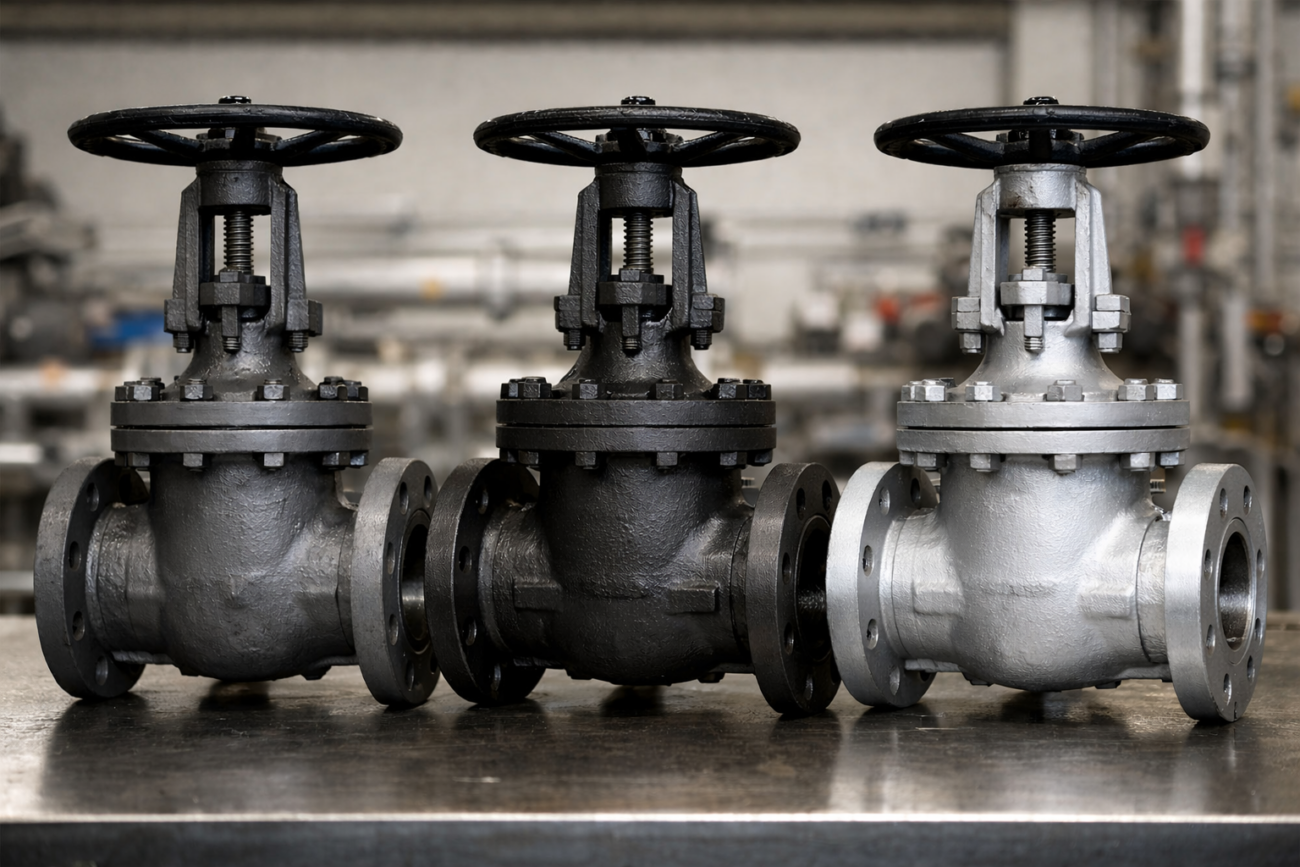
API 600 covers steel gate valves primarily used in refinery and process plant environments. Unlike pipeline-focused standards, this API standard for gate valves is intended for isolation service within processing facilities.
Valves manufactured to API 600 are designed to provide reliable shut-off under high-pressure and high-temperature conditions typical of refinery operations.
Main Features:
- Cast steel construction for durability
- Designed for severe refinery service conditions
- Used in refineries, power plants, and petrochemical units
- Pressure classes typically from Class 150 to Class 1500
- Suitable for frequent operation and extended service life
Understanding the difference between API 6D and API 600 is crucial: API 6D focuses on transmission pipelines, while API 600 is tailored for plant-based isolation service.
Overview of API 602 Standard
API 602 applies to compact forged steel gate, globe, and check valves. These valves are typically used in smaller line sizes but are designed for high-pressure and critical service conditions.
Forged valves conforming to API 602 offer improved grain structure and enhanced pressure-retention capability compared to cast alternatives, making them suitable for demanding auxiliary applications.
Main Features:
- Forged steel construction for superior strength
- Designed for small-bore, high-pressure service
- Common in bypass lines, instrumentation, and auxiliary piping
- Reduced leakage paths compared to cast designs
- Compact design for easier installation and maintenance
When evaluating a forged vs cast valve standard, API 602 represents the preferred choice for small-bore, high-pressure applications.
Key Differences Between API 6D, API 600 and API 602 Standards
| Parameter | API 6D | API 600 | API 602 |
| Application | Pipelines | Refineries & Process Plants | Small-Bore Systems |
| Valve Types | Ball, Gate, Plug | Gate | Gate, Globe, Check |
| Construction | Cast / Forged | Cast Steel | Forged Steel |
| Bore Design | Full Bore | Full or Reduced | Reduced |
| Size Range | Large | Medium to Large | Small |
| Typical Service | On-Off Pipeline Service | Isolation Service | High-Pressure Auxiliary Lines |
This structured API valve standards comparison highlights how each standard serves a distinct operational purpose.
Application Domains of API Valves
Each API standard is designed for specific segments of oil and gas infrastructure:
- API 6D valves are used in crude oil and natural gas transmission pipelines, cross-country networks, and block stations.
- Valves manufactured to API 600 are commonly installed in refinery process units, steam systems, and hydrocarbon handling lines.
- Forged valves conforming to API 602 are applied in high-pressure auxiliary piping, chemical injection systems, and instrumentation services.
UAE Valves supplies pipeline and plant valves engineered to meet these standards, ensuring compliance with demanding oil and gas applications.
How to Choose the Right API Valve Standard
A proper API valve selection guide involves evaluating operational and design requirements carefully. Key considerations include:
- Whether the system is a transmission pipeline or a process plant
- Operating pressure and temperature limits
- Line size and flow characteristics
- Pigging, fire-safe, and sealing performance requirements
- Maintenance accessibility and inspection intervals
Selecting the wrong standard can reduce service life, increase maintenance frequency, and create regulatory compliance risks.
Benefits of Proper API Valve Selection
Choosing the correct standard delivers both operational and economic advantages:
- Enhanced safety and operational reliability
- Reduced leakage risk and improved sealing performance
- Compliance with international oil and gas standards
- Extended service life and lower maintenance costs
- Improved overall efficiency of plant and pipeline systems
Conclusion
Understanding API valve standards is essential for safe and efficient oil and gas operations. API 6D valves, valves manufactured to API 600, and forged valves conforming to API 602 each serve clearly defined roles across pipeline and plant systems.
A well-informed selection based on application requirements ensures regulatory compliance, operational reliability, and long-term performance. UAE Valves is a trusted API-compliant valve supplier supporting pipeline and process industries with engineered, standards-driven solutions.