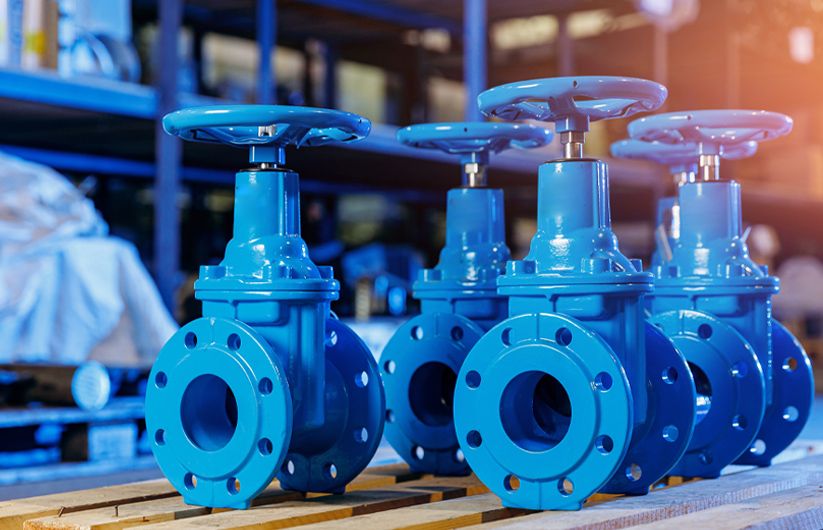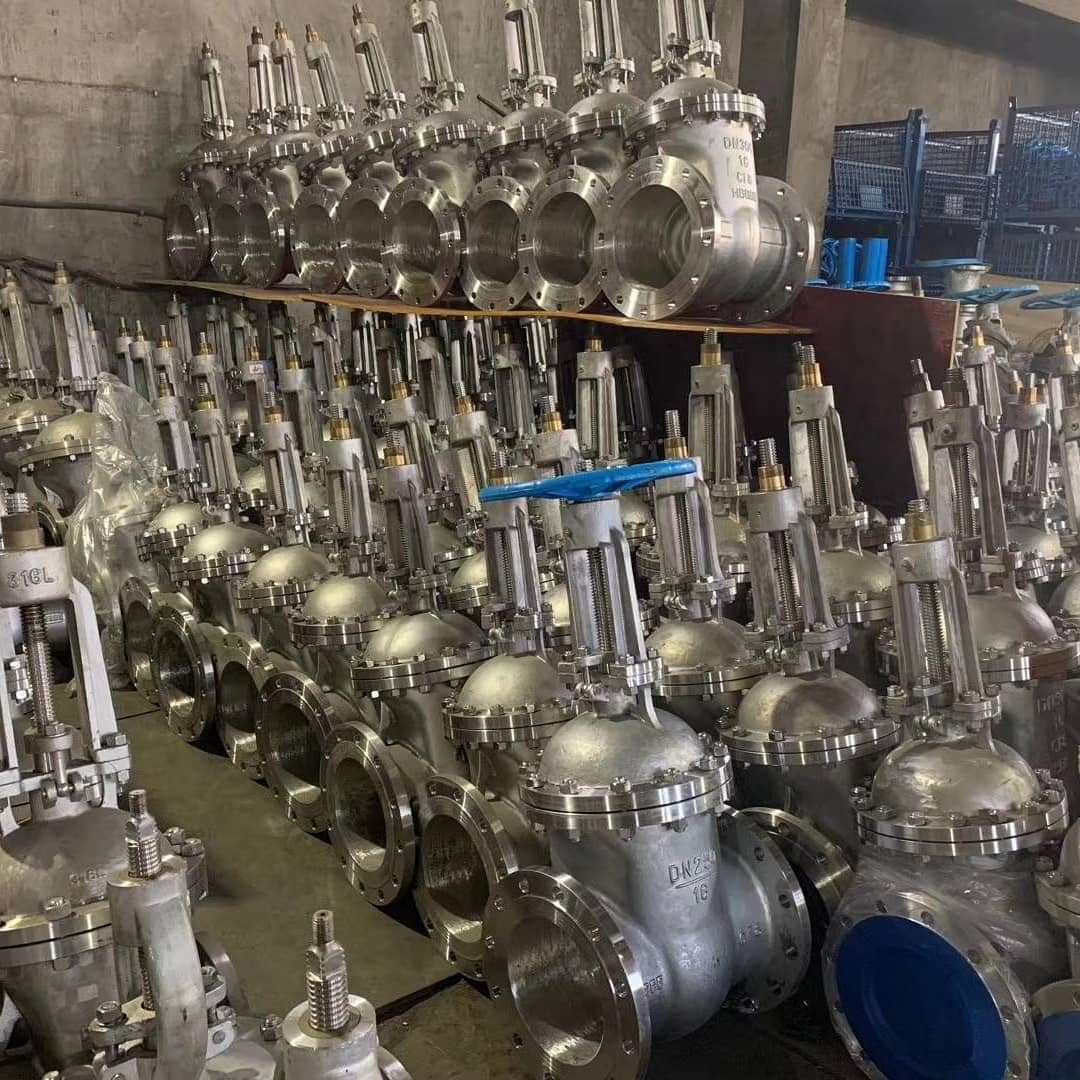
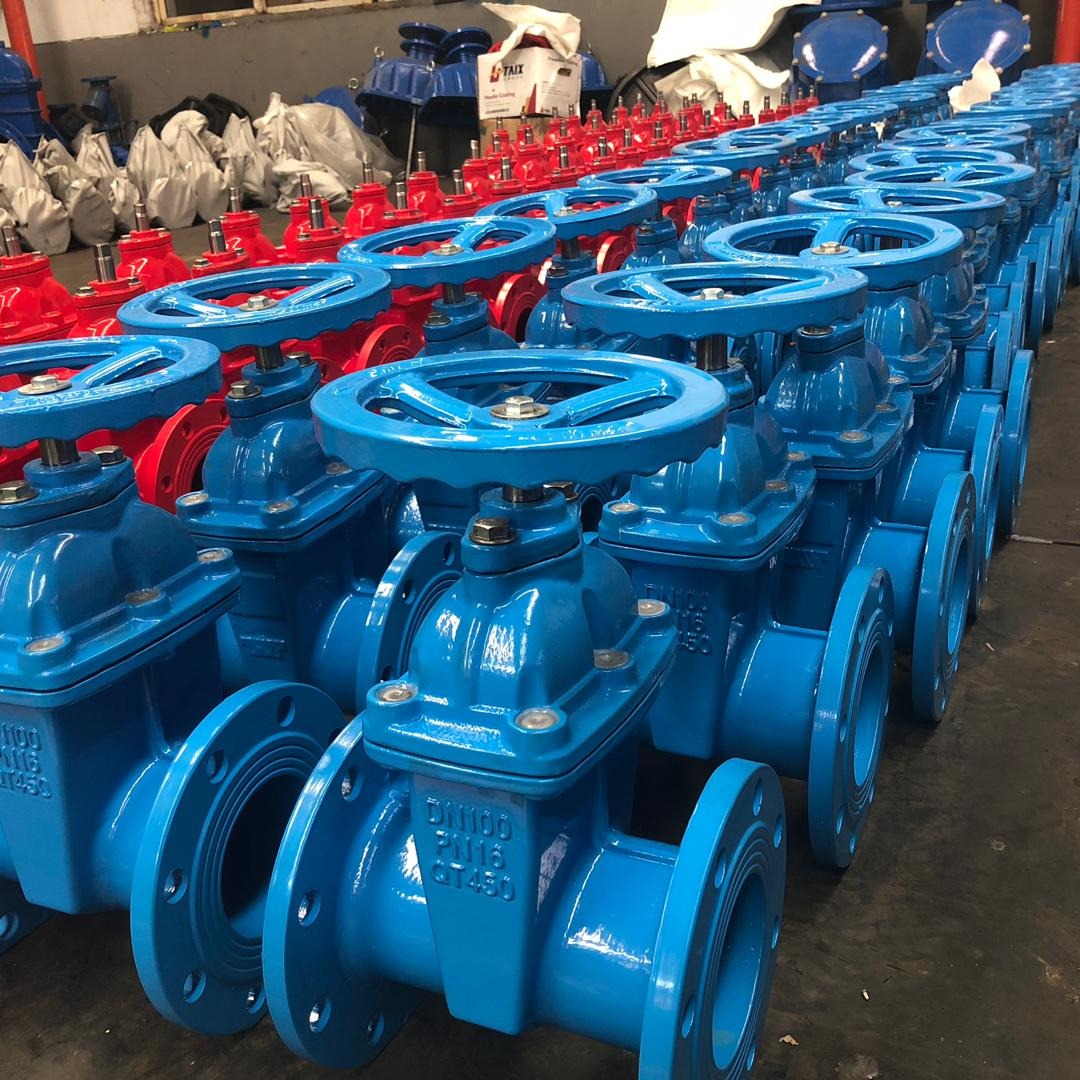
Valve that can operate under high pressures, corrosive media, and rigorous regulatory standards are very important for Middle Eastern industrial operations, especially in oil & gas, power generation, district cooling, marine, and chemical processing networks.Certifications ensure that valves meet all the particular global standards and benchmarks regardless of where they are going to be installed. Companies such as UAE Valves adhere to worldwide guidelines to produce valves that enable consistent system performance, safe operations, and regulated flow behavior. This manual covers ISO, API, and PED certifications, how they vary, and why they are important in the Middle Eastern region.
Understanding Valve Certifications in the Middle East
Valve certifications enable procurement teams and engineers to verify a valve’s conformity with globally acknowledged standards for design, material selection, performance criteria, testing methods, and paperwork. In industries including oil and gas, desalination, manufacturing, LNG, and petrochemical processing, where operational consistency and system safety are of great importance, these credentials are quite valuable.
Why Does Certifications Matter
- They ensure standardized design expectations.
- They confirm adequate testing and examination.
- They help maintain pipeline safety and integrity.
- They support cross-border trade and project approvals.
- They align with mandatory Middle East project specifications.
What Is ISO Certification for Valves?
ISO (International Organization for Standardization) sets global guidelines for quality management, testing, material traceability, design procedures, and operational consistency.
Common ISO Standards for Valves
- ISO 9001 – Quality management systems
- ISO 5208 – Pressure testing for valves
- ISO 10497 – Fire-type testing
- ISO 20815 – System reliability and risk assessment
- ISO 15848 – Fugitive emission testing
What ISO Certification Ensures
- Controlled manufacturing processes
- Documented procedures
- Repeatable design quality
- Verified material traceability
- Tested sealing performance
ISO standards apply across all valve types such as gate, ball, butterfly, globe, plug, check, and safety valves.
What Is API Certification for Valves?
API (American Petroleum Institute) standards define the majority of the oil and gas sector in the Middle East. These rules set performance standards for valves exposed to hydrocarbons, sour service, high pressure, hydrocarbons, and challenging operating conditions as well as those exposed to hydrocarbons.
Key API Standards for Valves
- API 600 – Steel gate valves
- API 602 – Compact steel gate valves
- API 603 – Corrosion-resistant gate valves
- API 609 – Butterfly valves
- API 594 – Check valves
- API 607 / API 6FA – Fire-safe testing
- API 6D – Pipeline valves (ball, gate, plug, check)
What API Certification Ensures
- Robust design expectations for oil & gas pipelines
- Lower leak probability
- Controlled torque behavior
- Defined pressure–temperature ratings
- Fire-safe performance
- Testing under harsh conditions
What Is PED Certification for Valves?
The Pressure Equipment Directive (PED 2014/68/EU) is the European regulatory framework for pressure containing equipment. Valves exported to or installed in Europe must comply with PED requirements.
What PED Covers
- Stress analysis
- Material selection
- Manufacturing processes
- Design validation
- CE marking
- Hazard categorization
Key Elements of PED
- Mandatory conformity assessment
- Safety classification based on fluid, pressure, and diameter
- Third-party inspection for higher categories
- CE marking for approved equipment
How International Certifications Influence Valve Procurement
Middle Eastern engineering teams rely on certifications to choose valves aligned with project specifications, environmental conditions, and end-user requirements.
Procurement Impact
- Compliance with EPC contracts: Many Middle East megaprojects require API or PED compliance.
- Approval by end users: ADNOC, ARAMCO, PDO, and QP enforce strict certification rules.
- Reduced operational risk: Certified valves perform predictably under defined conditions.
- Standardized documentation: Ensures smooth technical review and auditing.
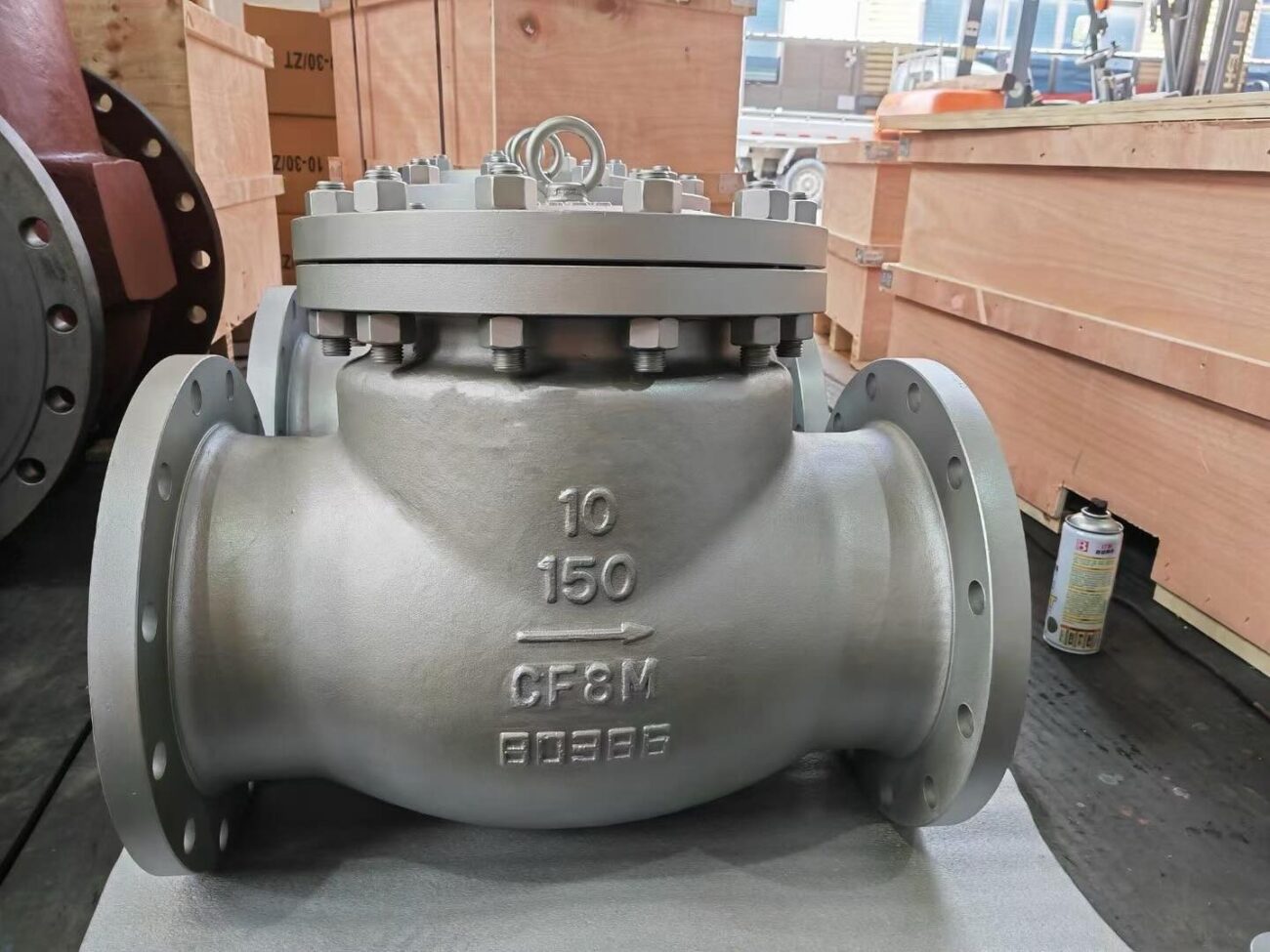
Certification Markings & Stampings: How to Read Them
Every certified valve carries markings that help verify compliance.
Common Markings
- Manufacturer logo
- Material grade
- Pressure rating
- Size
- CE mark (PED)
- API monogram
- Test codes
- Heat number
- Flow direction (where applicable)
Why They Matter
- Prevent installation of non-compliant equipment
- Provide full traceability
- Support periodic audits
- Allow verification during shutdown and turnarounds
Comparative Breakdown of ISO, API, and PED Certification Criteria
| Criteria | ISO | API | PED |
| Primary Focus | Quality & testing consistency | Oil & gas performance | Pressure safety & CE marking |
| Industry Use | All industries | Petrochemical & energy | EU markets |
| Design Control | General | Highly specific | Legally enforced |
| Testing | Leakage, emissions, mechanical | Fire safe, hydrostatic, function testing | Stress, conformity assessment |
| Documentation | Quality manuals, procedures | Detailed inspection & MTCs | CE files, notified body approval |
| Geographical Demand | Global | Middle East & global | Europe & export projects |
Material, Design, and Testing Protocols Defined by Major Standards
Each certification dictates its own expectations for material choice, design behavior, and mandatory testing.
Material Requirements
- ISO ensures standardized grades and traceability.
- API specifies alloy types for sour service and hydrocarbon media.
- PED demands materials conforming to EN standards with certified heat numbers.
Design Expectations
- Stress limits
- Wall thickness
- Seat and seal configuration
- Fire-safe architecture (API 607/6FA)
- Pressure–temperature correlation
Testing Protocols
- Hydrostatic tests
- Pneumatic tests
- Fire-safe testing
- Fugitive emission tests
- NDE examinations (RT, UT, PT, MT)
Documentation, Traceability, and Quality Assurance in Valve Certifications
Documentation is a core requirement in all major standards.
Essential Documentation Includes
- Material Test Certificates (MTC)
- Inspection & test plans (ITP)
- Welding procedure specifications (WPS)
- Pressure test results
- PMI and NDE records
- Assembly and torque records
- CE compliance files (for PED)
Strong documentation ensures valve authenticity and streamlines audits.
Technical Data & Specification Table
| Technical Aspect | ISO | API | PED |
| Pressure Rating | PN10–PN420 | Class 150–2500 | Based on hazard category |
| Temperature Range | Per ISO materials | Per API 6D/600 | Per EN standards |
| Material Standards | ISO/ASTM | ASTM/API alloys | EN material grades |
| Testing | ISO 5208, 15848 | API 598, 607, 6FA | EN 12266-1/2 |
| Certification Files | ISO 9001 QMS | API monogram files | CE dossier |
| Traceability | Full heat number | 3.1 / 3.2 MTC | Notified body approval |
Types of Certifications Relevant to Industrial Valves
Various certification types apply depending on materials, design, and application:
Common Certification Types
- CE marking (PED)
- API monogram licensing
- ISO quality system certification
- Fugitive emission certification
- Fire-safe certification
- Material certification (EN 10204 3.1 / 3.2)
Industrial Applications Where Certified Valves Are Used
- Oil & gas production and transmission
- LNG facilities
- Power plants and steam networks
- Chemical and petrochemical plants
- Desalination and water treatment
- Mining and mineral processing
- District cooling systems
Certification ensures consistent performance across these demanding environments.
How International Certifications Affect Project Approval
This high-search topic is essential for EPC contractors & end users.
Impact on Project Approval
- Faster documentation review
- Simplified vendor qualification
- Immediate acceptance during audits
- Compatibility with global supply chains
- Alignment with engineering specifications
Conclusion
Valve certifications like ISO, API, and PED assist establish quality standards, testing procedures, design behavior, and documentation criteria that assist guarantee safe and regulated industrial operations. These certifications ensure uniformity, compatibility, and compliance with rigorous legal criteria for Middle Eastern projects, particularly in oil and gas, desalination, and energy. Valves with well-known certifications like API monograms, ISO quality documentation, and PED CE marking help engineers and procurement departments make sure that gear satisfies worldwide standards without favoring any one valve type.