Introduction to Pressure Class Ratings
In oil and gas pipeline systems, valve selection directly affects safety, operational reliability, and regulatory compliance. One of the most important technical parameters in this process is the pressure rating assigned to the valve.
This guide explains the differences between Pressure Class 150 vs 300 vs 600 valves and provides practical selection guidance for pipeline engineers and project teams.
A pressure class defines the maximum allowable pressure a valve can safely withstand at a given operating temperature, as specified by industry standards. Selecting an incorrect pressure rating can result in excessive stress, leakage, mechanical failure, or, in extreme cases, catastrophic pipeline incidents.
Pressure classifications are standardized under ASME guidelines to ensure safety, interchangeability, and performance consistency across pipeline and process systems.
UAE Valves supplies ASME-rated valves designed for Class 150, Class 300, and Class 600 service in demanding oil and gas environments.
Understanding ASME B16.34 Pressure Ratings
Valve pressure-temperature ratings are governed by ASME B16.34, which defines allowable working pressures for different materials across temperature ranges.
A key principle of ASME pressure-temperature charts is:
As operating temperature increases, the allowable pressure decreases.
For example, a valve rated for a specific pressure at ambient temperature may have significantly reduced allowable pressure at elevated temperatures. This relationship is critical in hydrocarbon transmission systems, where fluids are transported over long distances at high pressure and temperature.
The ANSI/ASME pressure class system 150, 300, and 600 simplifies compatibility between flanges, valves, and piping components.
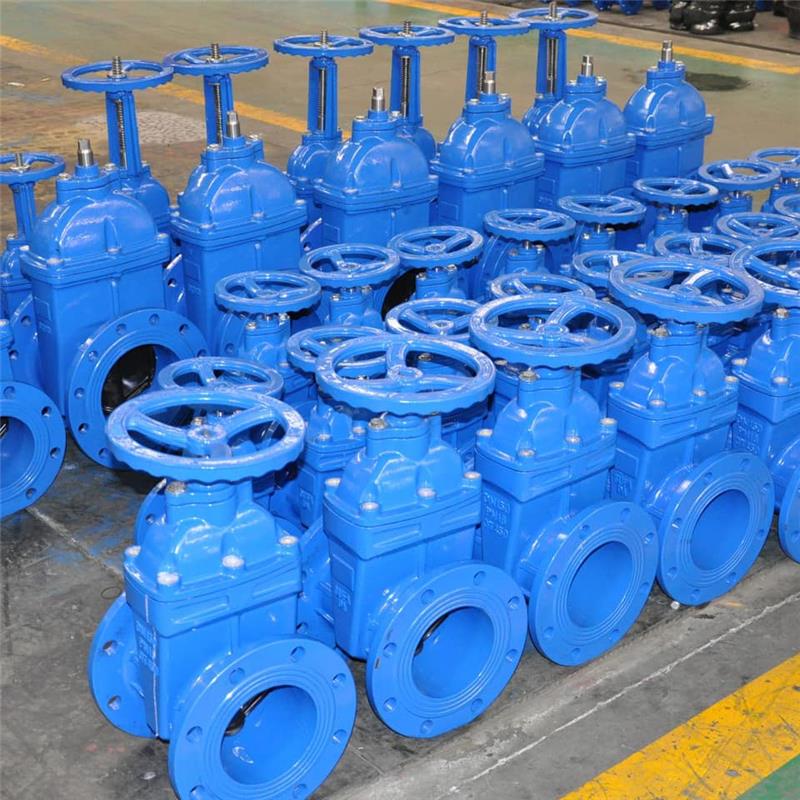
Class 150 Rating – Low to Moderate Pressure Service
Valves rated to ASME Class 150 are commonly used in low-pressure and moderate-temperature systems. They provide an economical solution for utility and non-critical services.
Key Characteristics
- Designed for lower pressure operating conditions
- Suitable for ambient and moderate temperatures
- Lighter construction compared to higher pressure classes
- Cost-effective for general service
Typical Applications
- Water and cooling systems
- Air and inert gas utilities
- Low-pressure auxiliary piping
- Non-critical service lines in oil and gas facilities
While suitable for utility systems, Class 150 rating is generally not recommended for high-pressure hydrocarbon transmission pipelines.
Class 300 Rating – Medium Pressure Pipeline Service
Equipment designed for Class 300 service offers greater pressure-handling capability and improved structural strength compared to Class 150.
This rating is widely used in upstream and midstream oil and gas operations due to its balanced cost-to-performance ratio.
Key Characteristics
- Higher allowable working pressure
- Improved sealing reliability
- Stronger body construction
- Suitable for moderate to high temperature service
Typical Applications
- Crude oil pipelines
- Natural gas transmission lines
- Steam and condensate systems
- Refinery and gas plant process piping
ASME Class 300 is often selected where moderate pressure and enhanced safety margins are required.
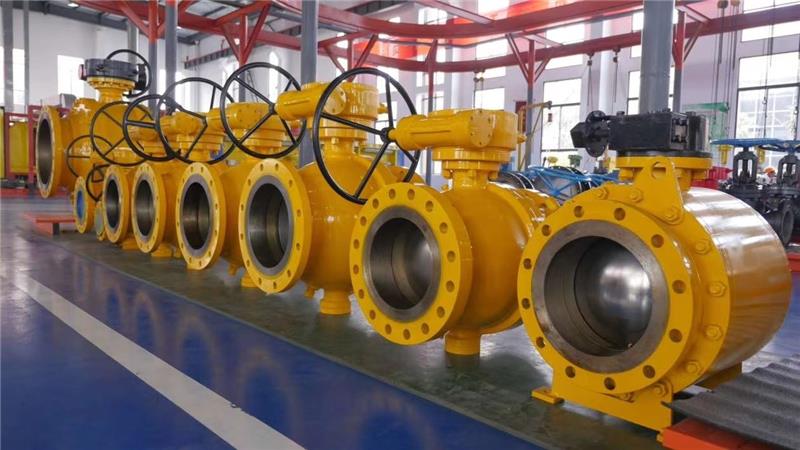
Class 600 Rating – High Pressure Critical Service
Valves built for Class 600 pressure rating are engineered for high-pressure and high-temperature environments where operational safety is critical.
These valves feature thicker wall sections, reinforced bodies, and high-performance sealing systems.
Key Characteristics
- Designed for high-pressure hydrocarbon service
- Suitable for elevated temperature conditions
- Increased structural integrity
- Preferred for safety-sensitive applications
Typical Applications
- High-pressure gas transmission pipelines
- Compressor discharge lines
- Critical refinery and petrochemical units
- High-pressure processing facilities
Class 600 rating is typically specified in pipeline segments exposed to pressure fluctuations, high temperatures, or hazardous media.
Pressure Class Comparison Overview
| Pressure Rating | Typical Pressure Level | Common Applications |
| Class 150 | Low | Utilities, water, air systems |
| Class 300 | Medium | Oil & gas pipelines, steam |
| Class 600 | High | Critical high-pressure systems |
Actual allowable pressure depends on material type and operating temperature as defined in ASME B16.34 tables.
Application in Oil & Gas Pipelines
Selecting the correct pipeline pressure classification depends on operating conditions and safety requirements:
- 150 rating is used in water systems, firewater lines, and non-critical utilities.
- 300 rating is common in hydrocarbon transfer lines and gathering systems.
- 600 rating is selected for high-pressure transmission, compressor stations, and critical pipeline segments.
Proper alignment between pressure rating, material grade, and temperature conditions ensures long-term integrity and compliance with industry codes.
How to Select the Correct Valve Pressure Class
Choosing the appropriate pressure rating requires a detailed evaluation of system parameters, including:
- Maximum operating pressure and temperature
- Media type (gas, liquid, corrosive, abrasive)
- Pressure surges and cyclic loading
- Applicable ASME and project specifications
- Required design life and safety margin
Under-specifying a pressure class may compromise system safety, while over-specifying unnecessarily increases project costs.
A structured engineering review ensures optimal performance without excessive capital expenditure.
Conclusion
Understanding the differences between Class 150, Class 300, and Class 600 pressure ratings is essential for safe and efficient oil and gas pipeline operation.
Each rating corresponds to a defined pressure-temperature envelope under ASME B16.34, and correct selection directly influences system integrity, reliability, and regulatory compliance.
By aligning the valve pressure class with actual operating conditions, operators reduce risk, improve performance, and extend service life.
UAE Valves supplies ASME-compliant pressure-rated valves engineered for demanding oil and gas pipeline applications, ensuring safe performance under critical service conditions.